Welcome to Yantai Healthy Chemical Co., Ltd


1.Product Definition:
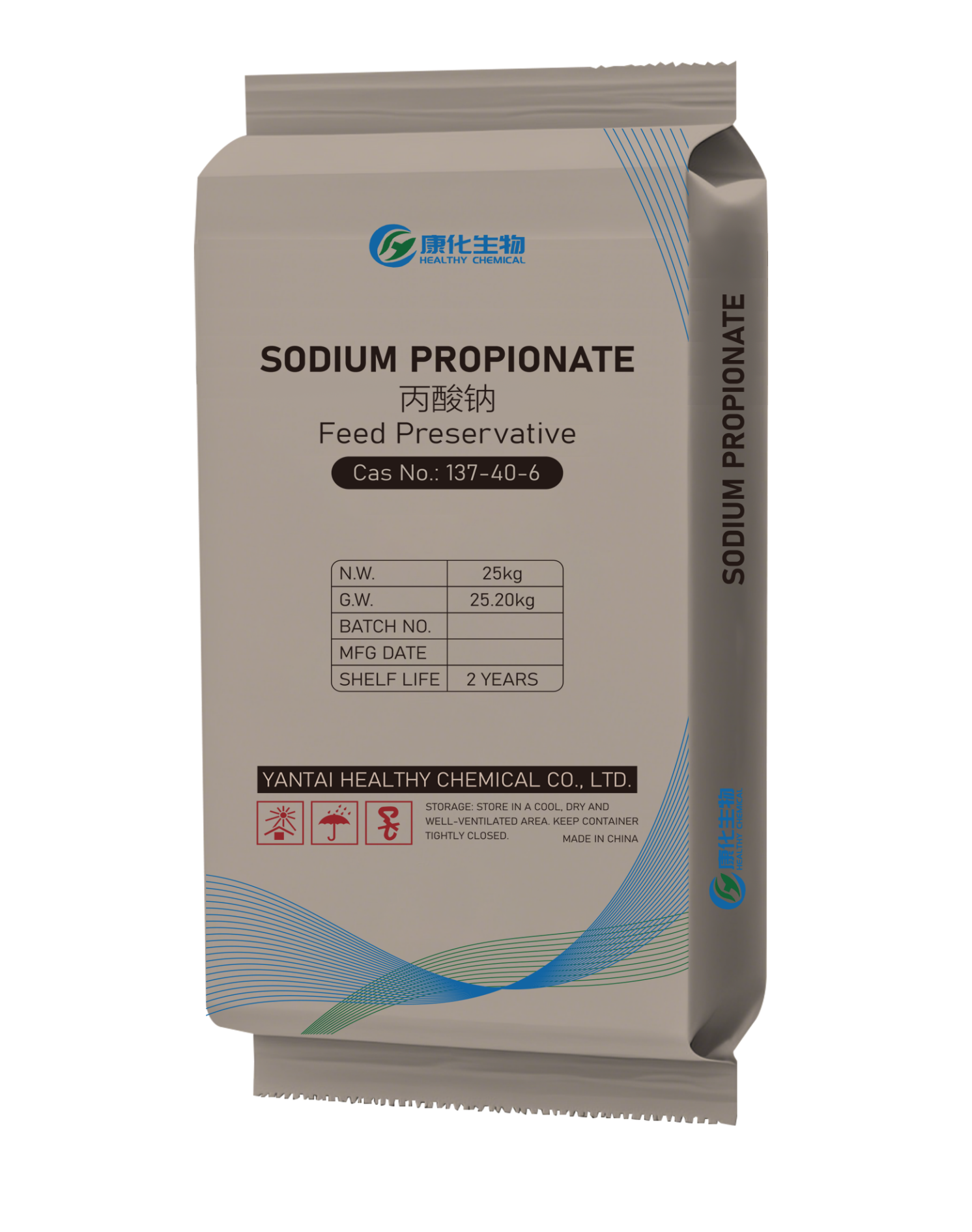
Sodium Propionate is the sodium salt of propionic acid and a widely used organic acid preservative. It provides effective antimicrobial activity by inhibiting the growth of molds, yeasts and certain microorganisms, especially in food and feed systems. Due to its excellent water solubility and stable performance, Sodium Propionate is commonly used in bakery products, food preservation, animal feed and other applications requiring mold control.
2.Specification:
Molecular Formula: Na(C2H5COO)
Molar mass: 96.060 g/mol
Melting Point : 285-286ºC(lit.)
Density: 1.51 g/cm³ (crystal density at 20℃)
Structure:

Basic Properties:
Appearance: Sodium propionate is white crystalline powder, spherical granular, slightly special smell. Monohydrate salt is colourless crystal with hygroscopicity.
Solubility: Sodium propionate is easily soluble in water and ethanol, the solubility in 10% water is about 100 (15℃), and the pH value of its aqueous solution is 8.5~10.5.
Stability: Sodium propionate is stable at room temperature and pressure, but it is easy to absorb moisture, it should be stored in dry and ventilated place, avoid moisture and heat.
Sodium Propionate Specification & COA:
Food grade
| Check item | Specifications |
| Content | ≥99.0% |
| PH(10% aqueous Solution) | 7.8-9.8 |
| Heavy metals as pb | ≤0.001 % |
| Lead | ≤5mg/kg |
| Iron | ≤30mg/kg |
| As | ≤3mg/kg |
| Mercury | ≤1mg/kg |
| Cadmium | <0.5mg/kg |
Feed grade
| Content | ≥99.0% |
| Loss on drying | ≤1% |
| free acid or free alkali | Passes test |
| 10% aqueous Solution | 7.5-10.5 |
| Heavy metals as pb | ≤0.001 % |
| Iron | ≤30mg/kg |
| As | ≤3mg/kg |
| Fluorides | ≤30mg/kg |
| Water insoluble matter | ≤0.3% |
3.Application of Sodium Propionate:
Sodium Propionate is a highly effective propionate preservative widely used in food, feed and other industrial applications. Due to its excellent water solubility and stable antimicrobial performance, it is suitable for formulations requiring mold control and extended shelf life.
3.1 Food-Grade Sodium Propionate
Bakery Products:
Used as a mold inhibitor in bread, cakes, pastries, tortillas and other flour-based products to extend shelf life and maintain product quality.
Food Preservation:
Applied in processed foods, sauces, pickled products and other food systems requiring microbial control.
Liquid and Water-Based Formulations:
Preferred for applications requiring rapid dissolution due to its high water solubility.
Typical Dosage:
| Food Name | Maximum usage | Remark |
| Smoked, grilled, and roasted meats | 3.0g/kg | Based on propionic acid |
| Bread, pastry, bean products, vinegar, soy sauce, liquid compound seasoning | 2.5g/kg | Based on propionic acid |
| Raw wet noodle products (such as noodles, dumpling wrappers, wonton wrappers) | 0.25g/kg | Based on propionic acid |
Compliance: GB、FCC, E281
3.2 Feed-Grade Sodium Propionate
Animal Feed:
Used in livestock feed, poultry feed, aquatic feed and pet food formulations to help control mold growth and improve feed storage stability.
Feed Preservation:
Suitable for high-moisture feed, premixes and other feed materials where mold prevention is required.
Typical Dosage:
The amount of sodium propionate added to feed is generally 0.1%~0.3% (calculated as propionic acid). This amount can effectively prevent the loss of nutrients in feed during storage and reduce the number of microorganisms in feed. By inhibiting the reproduction of harmful microorganisms, the nutrients in feed can be kept intact, thereby ensuring the nutritional value of feed and improving feed palatability.
Compliance: Feed additive regulations and customer-specific requirements.
4.Quality Assurance
Healthy Chemical implements full‑process quality control covering raw‑material screening, neutralization reaction, purification drying and finished‑product inspection, to guarantee stable quality of sodium propionate for food and feed applications.
Our quality management focuses on propionic‑acid raw‑material purity, sodium‑source selection, moisture control, anti‑caking performance and consistent batch‑to‑batch quality.
4.1 High‑Purity Propionate & Raw Propionic Acid Control
The final quality of sodium propionate heavily depends on the purity of propionic acid feedstock. Low‑grade propionic acid contains undesired formic acid, acetic acid and ester residues, which introduce impurities and affect product assay and end‑use performance.
Equipped with professional rectification facilities, we strictly control propionate purity by removing formic acid, acetic acid and ester‑type organic impurities. Only rectified high‑purity propionic acid is adopted for production to meet GB, FCC and E281 specification requirements.
Quality Evidence:
‑ Sodium propionate assay ≥99.0 % (dry basis)
‑ Formic acid, acetic acid and ester residues strictly limited
‑ Batch COA with complete HPLC impurity profiles
‑ Rectification process records available for review
4.2 High‑Quality Sodium‑Source & Neutralization‑Process Control
Many manufacturers adopt sodium carbonate as sodium source. Healthy Chemical produces sodium propionate via neutralization reaction between rectified propionic acid and food‑grade sodium hydroxide (liquid caustic soda), instead of sodium carbonate. This route reduces foreign‑impurity introduction and delivers stable reaction conversion across batches.
Quality Evidence:
‑ Low heavy‑metal background from qualified liquid caustic soda
‑ Low water‑insoluble matter
‑ No residual free acid or free alkali after reaction
‑ Reproducible reaction conversion for every batch
4.3 Advanced Drying Process Control
We are equipped with integrated fluidized‑bed dryer and rotary evaporator. Materials are continuously crushed while rotating during drying to realize uniform dehydration. The process delivers even particle size, dust‑free property and good water‑solubility.
Quality Evidence:
‑ Well‑controlled moisture for different‑grade requirements
‑ Even particle‑size distribution, dust‑free
‑ Excellent water‑solubility with fast dissolution
‑ Reliable drying‑parameter logs for each batch
4.4 Anti‑Moisture & Anti‑Caking Packaging Solution
Sodium propionate features high hygroscopicity and tends to cake upon exposure to humid air.
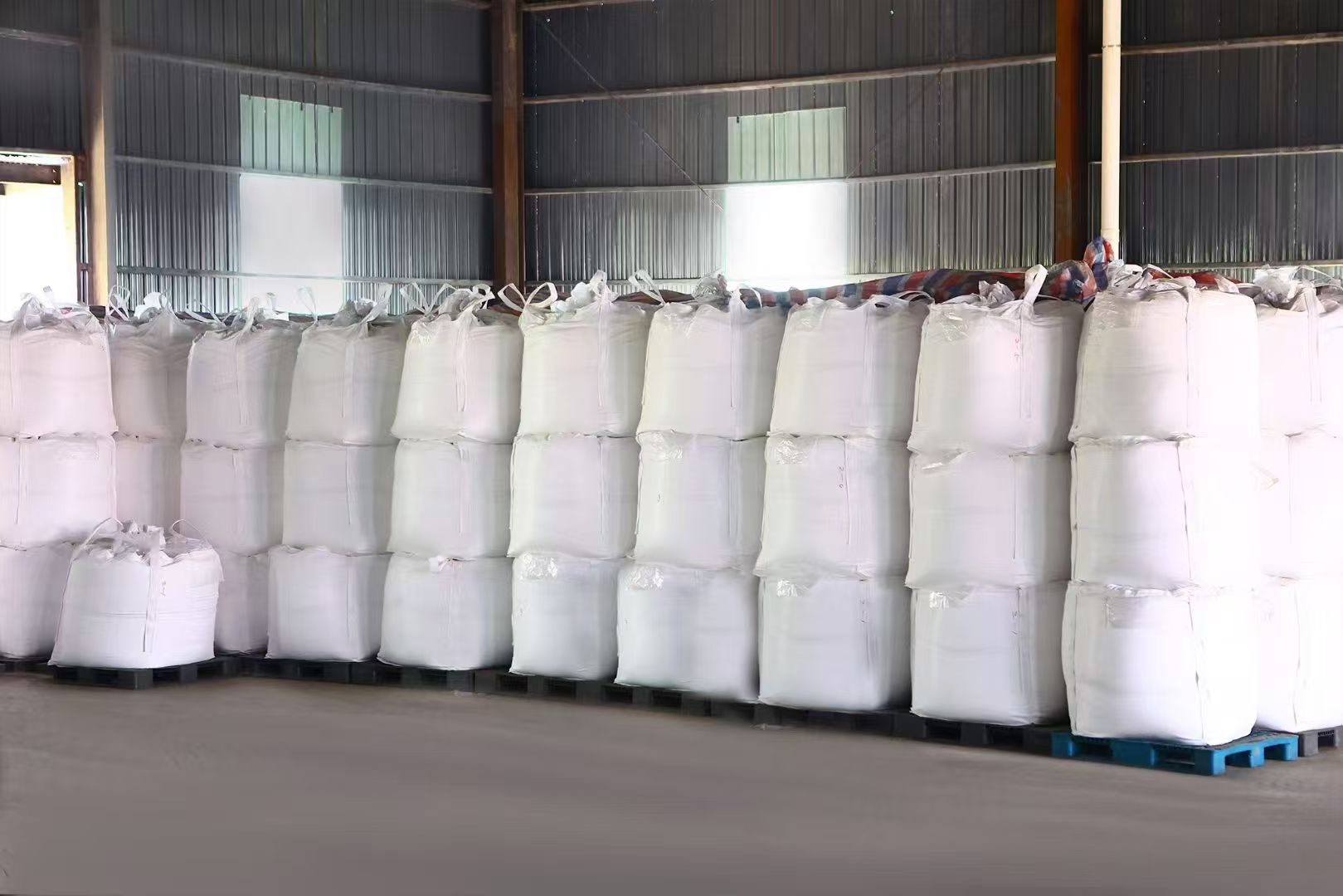
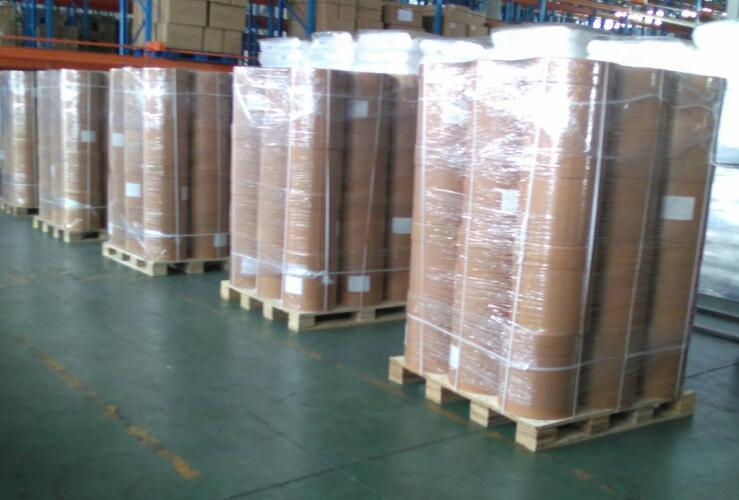
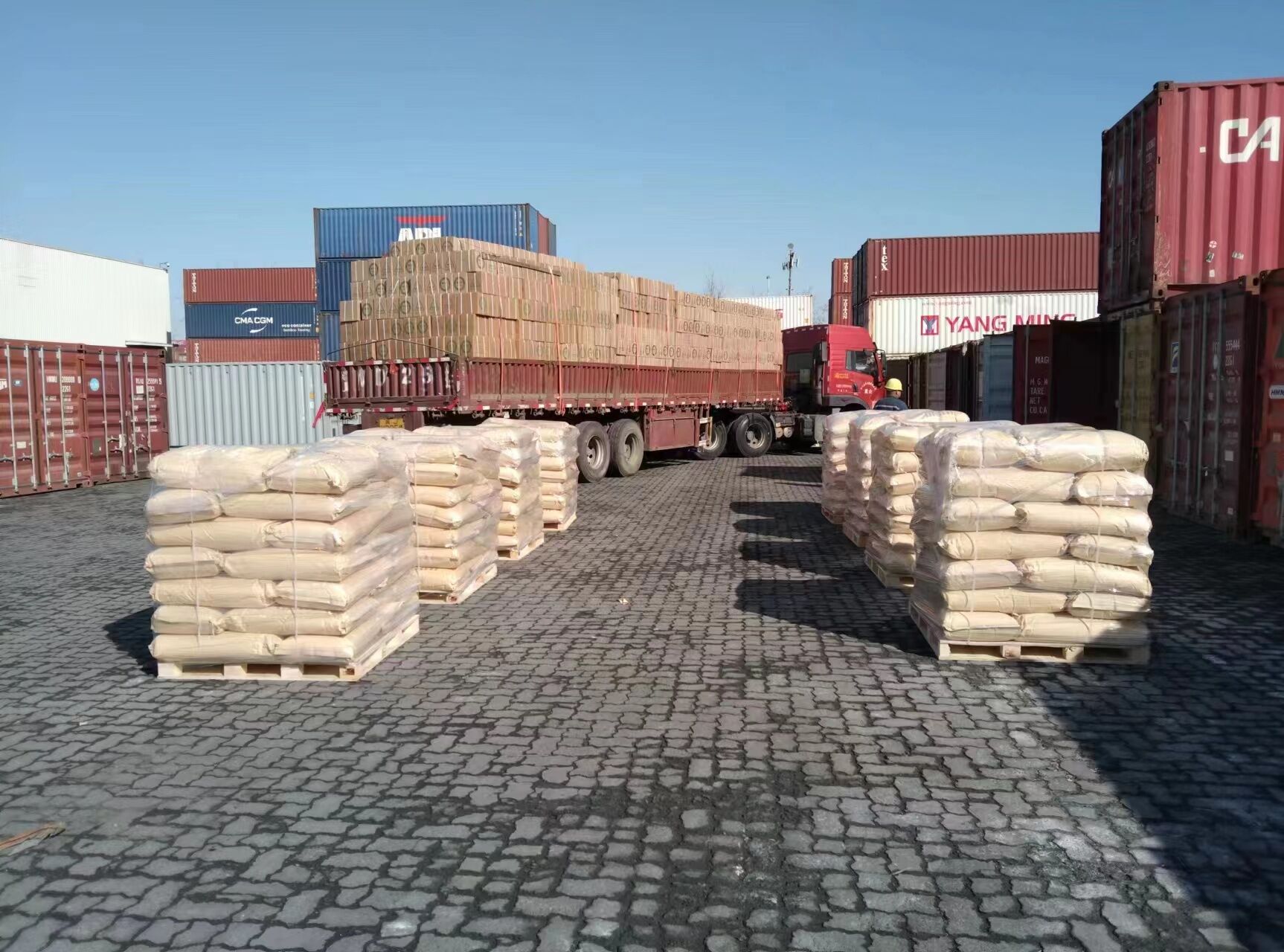
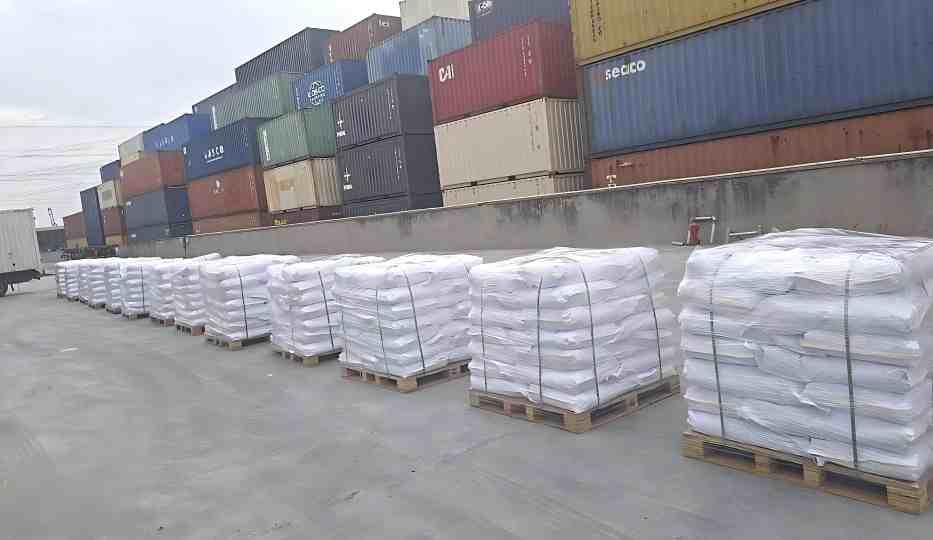
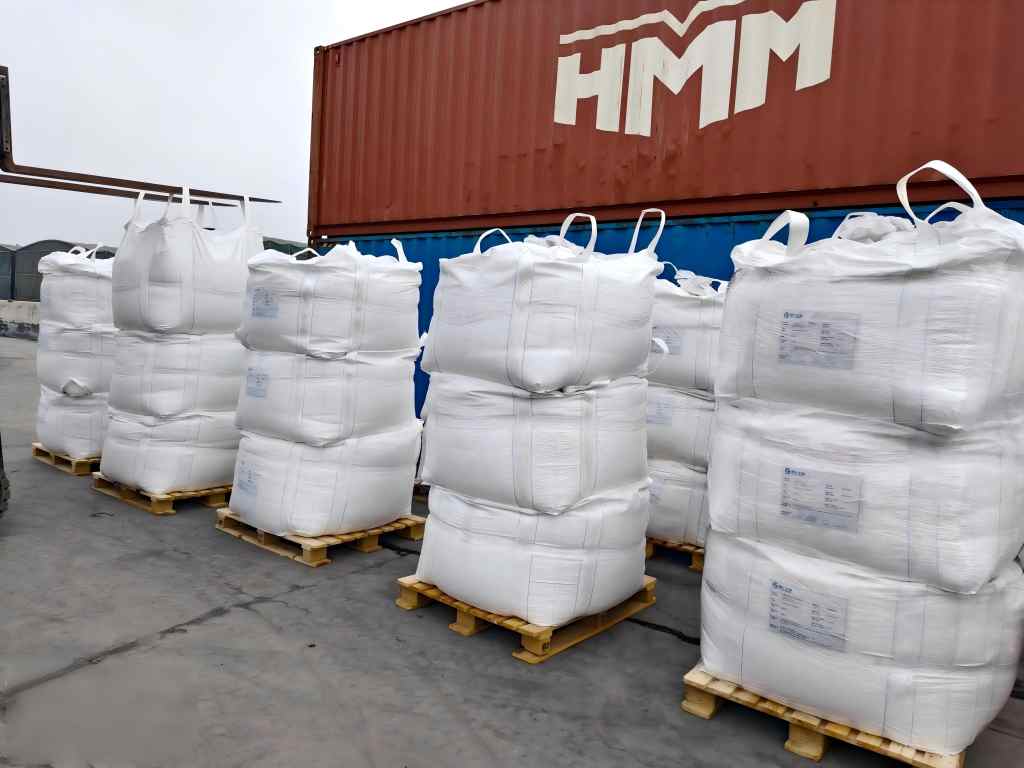
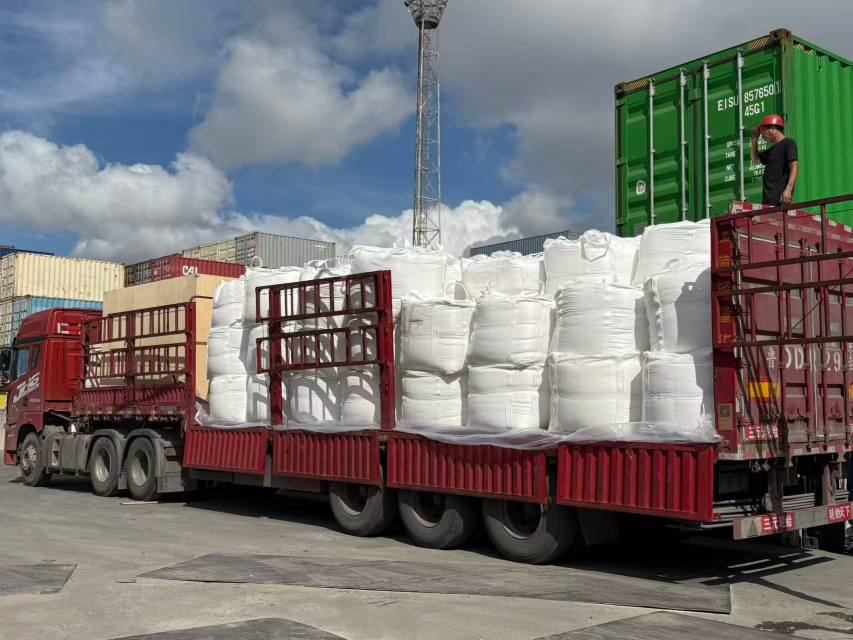
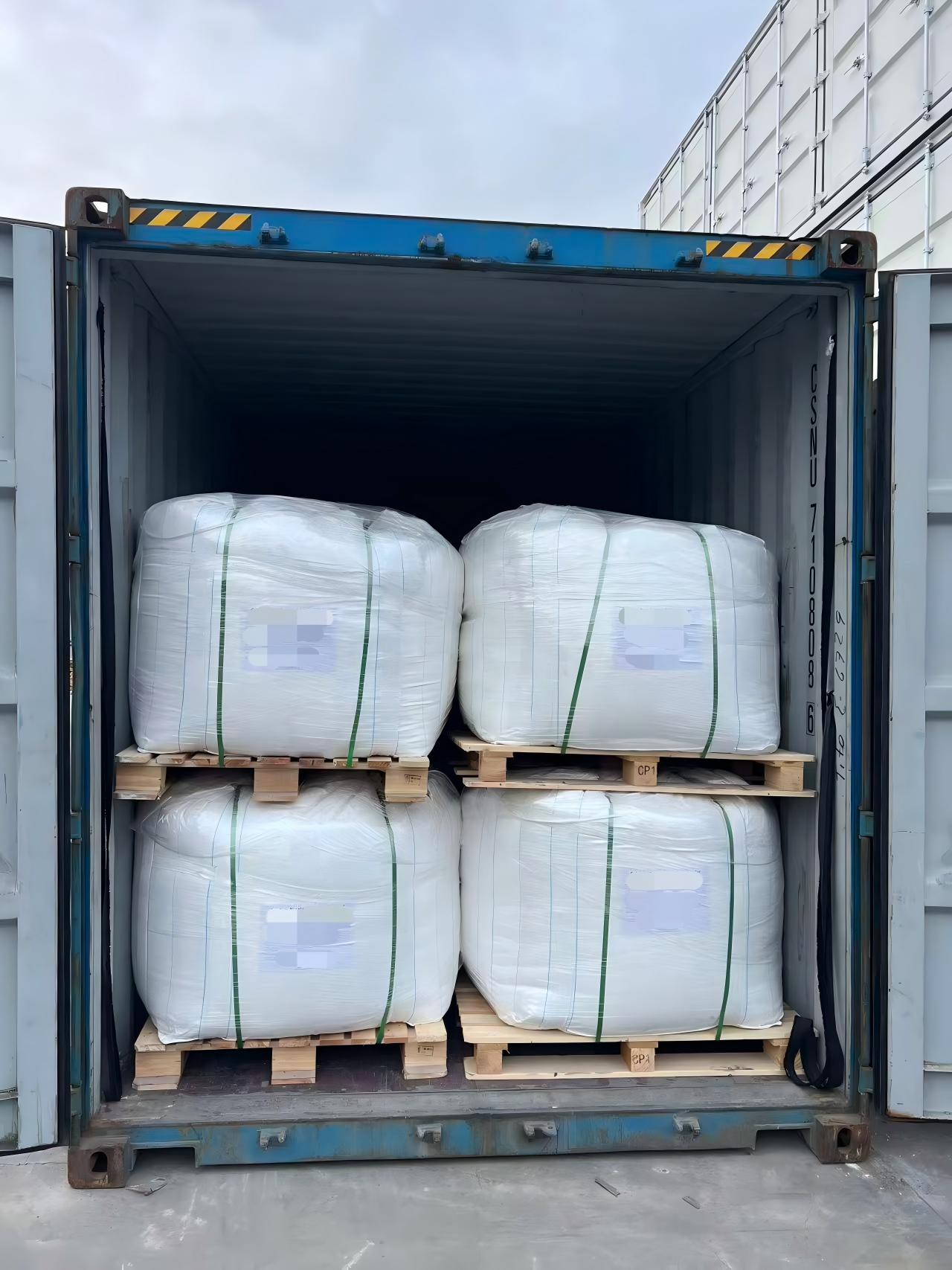
Healthy Chemical applies double‑layer inner‑liner packaging to block moisture ingress, effectively mitigating caking risks during storage and transportation.
Quality Evidence:
‑ Double‑layer inner‑liner moisture‑proof packaging
‑ Low caking tendency under proper storage
‑ Stable physical appearance throughout shelf‑life
‑ Complete packaging‑process traceability records
4.5 Heavy‑Metal & Safety Compliance Monitoring
Full‑process monitoring covers Pb, As and other harmful impurities. Every batch is fully tested before shipment to satisfy GB, FCC and E282 food‑feed safety standards.
Quality Evidence:
‑ Lead ≤10 mg/kg, Arsenic ≤3.0 mg/kg, Iron ≤30 mg/kg, Fluoride ≤30 mg/kg
‑ Uniform white crystal appearance without dark specks
‑ Clear aqueous solution without sediment or turbidity
‑ COA, SDS, TDS provided for global export clearance
5. Storage:
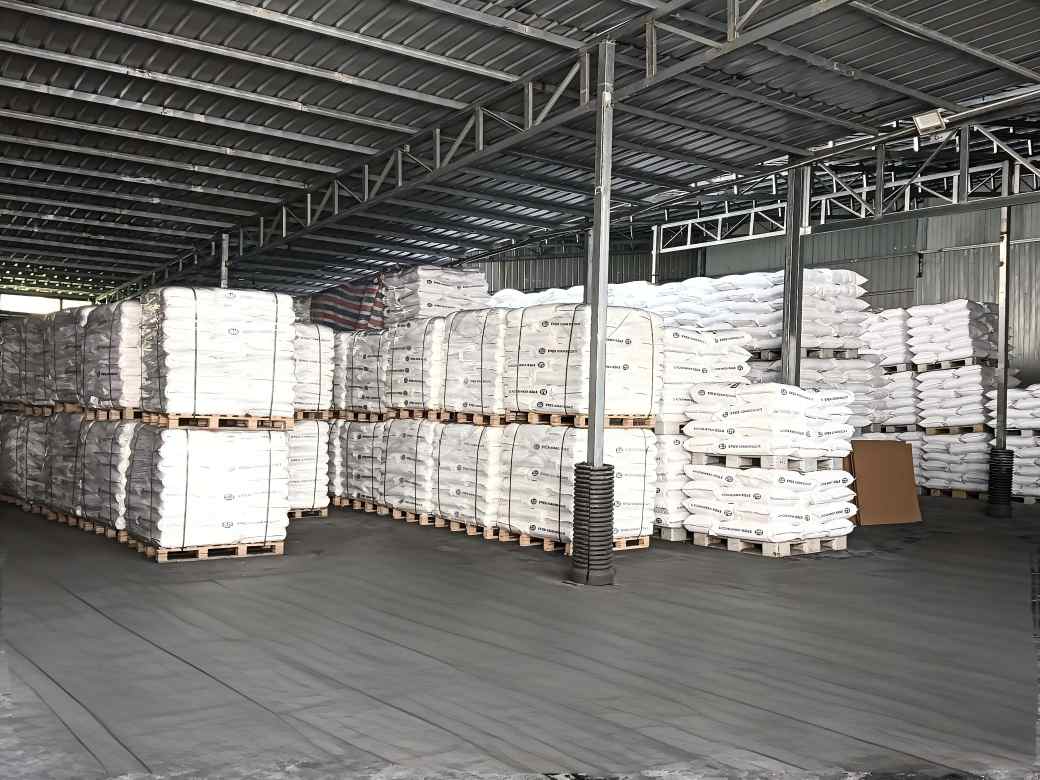
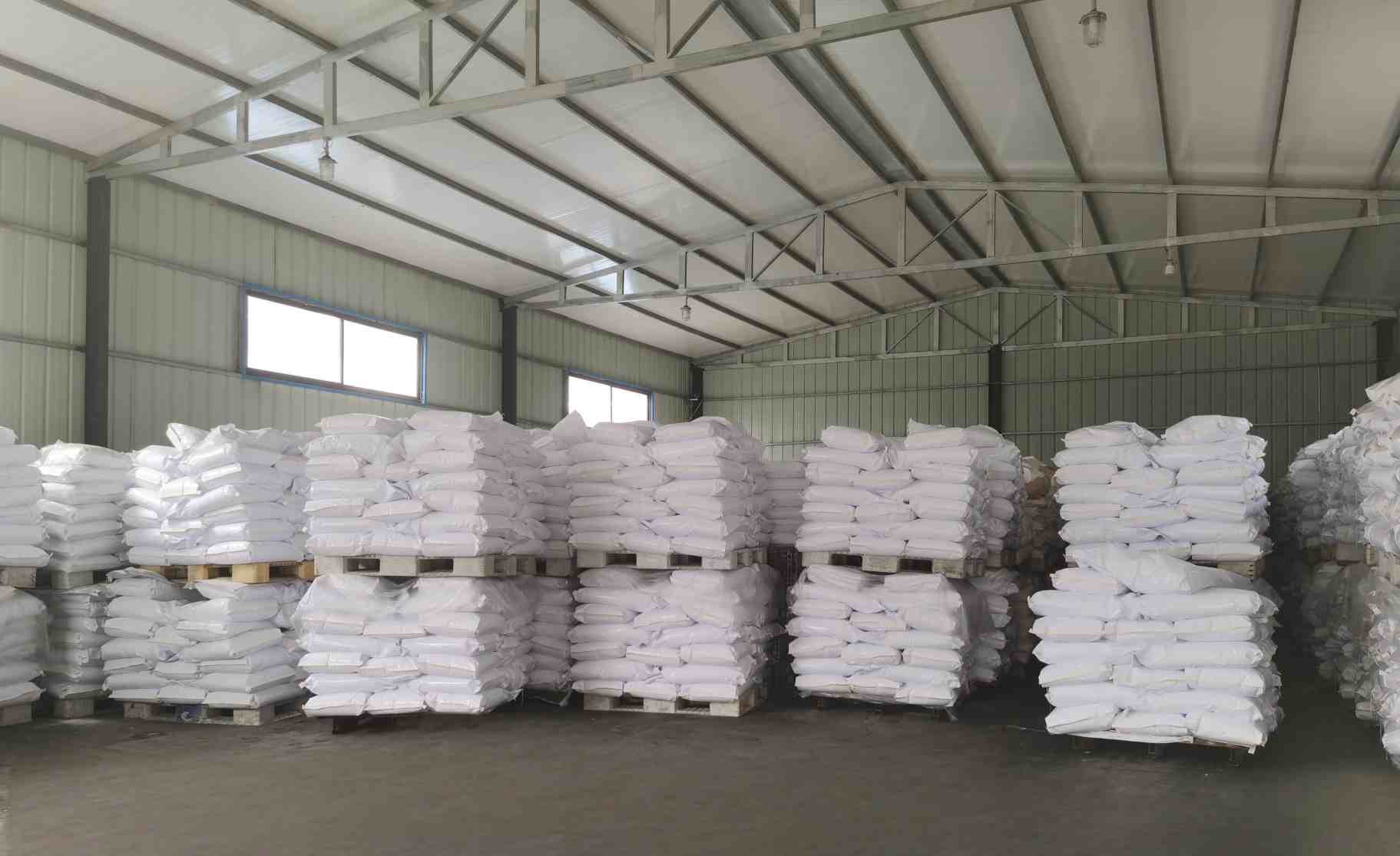
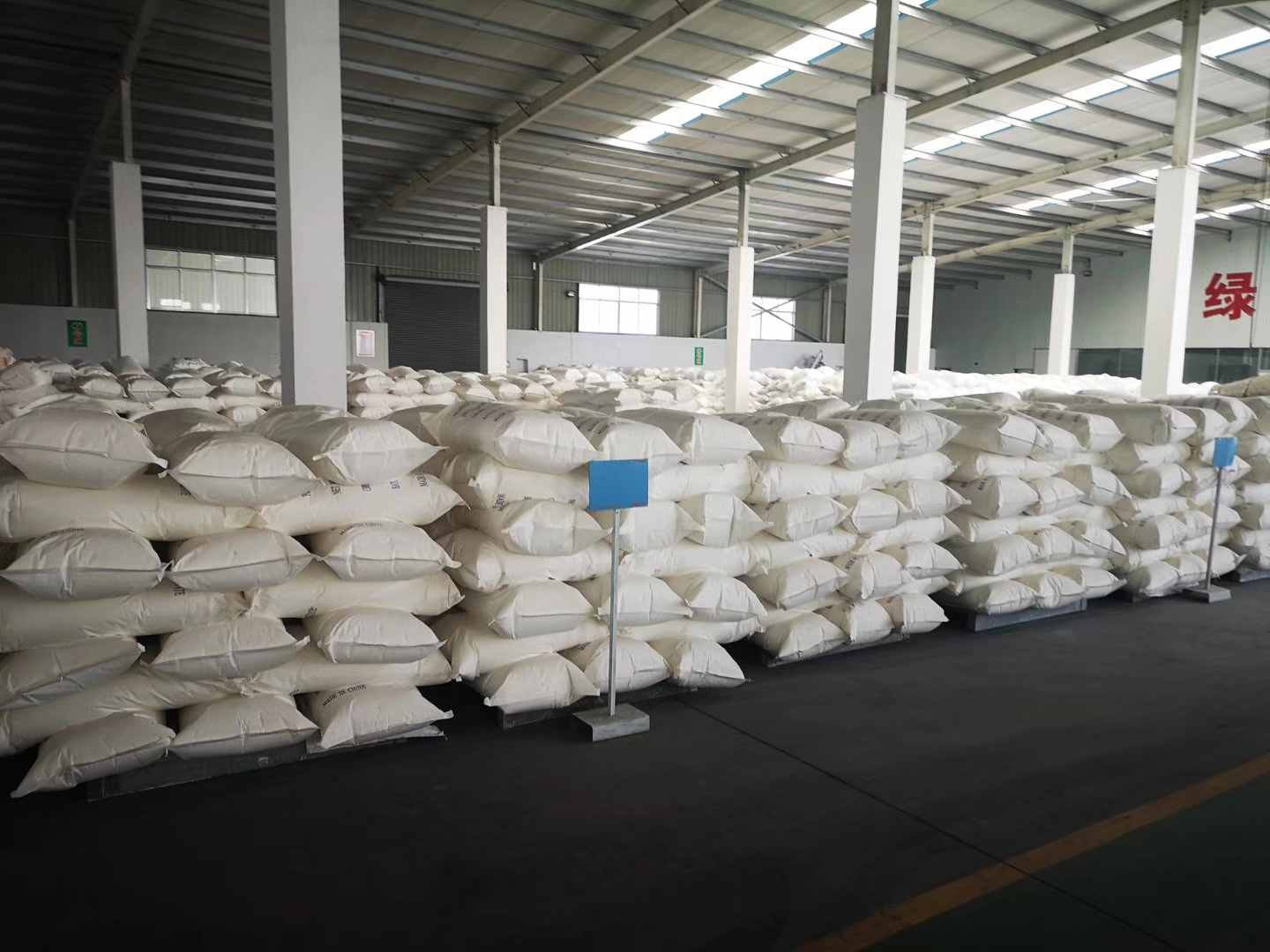
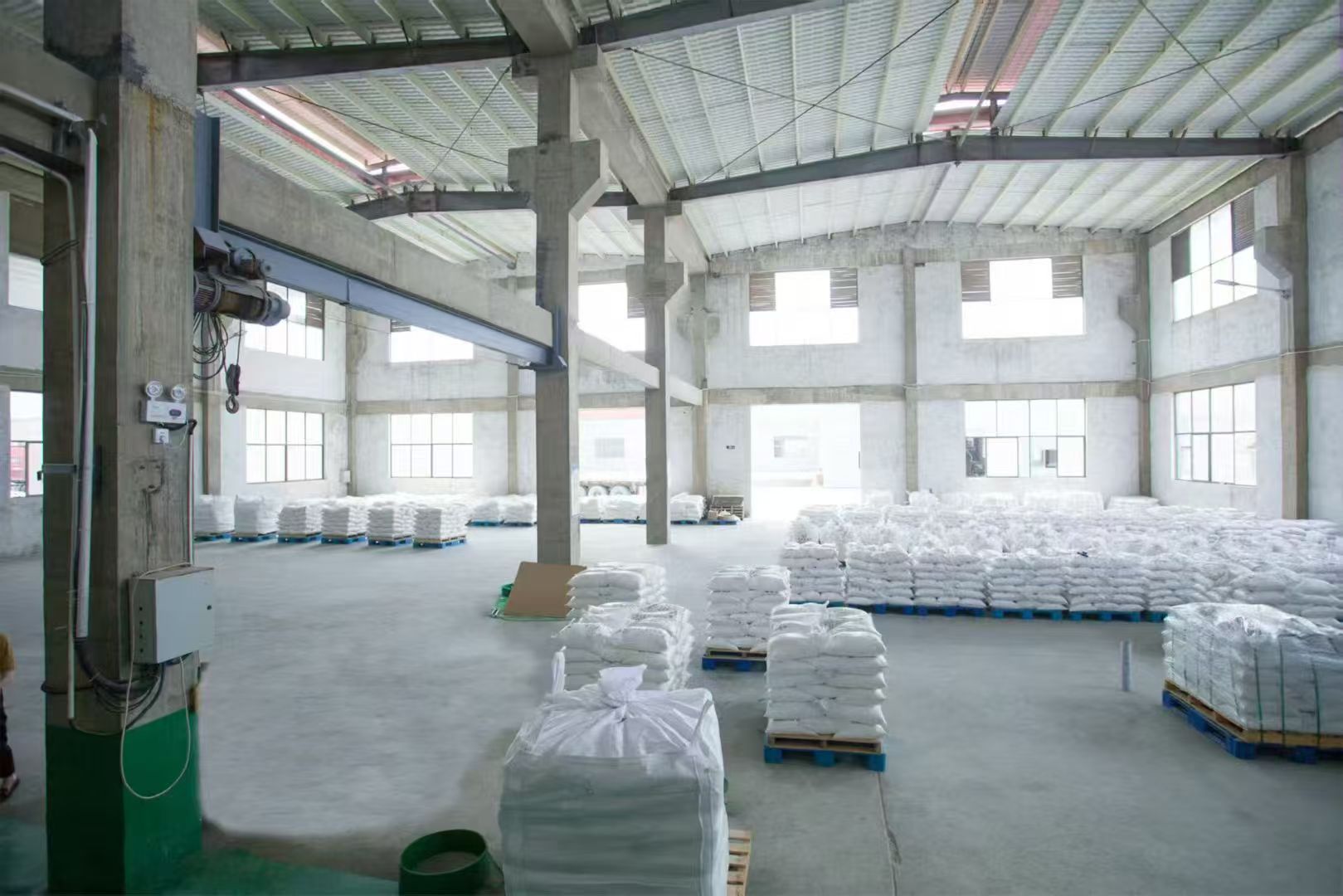
Store in a cool, dry and well‑ventilated warehouse. Keep away from heat sources and direct sunlight.
Sodium propionate is highly hygroscopic. Keep packages tightly sealed at all times to avoid moisture absorption and caking. Do not expose products to humid air.
Store separately from toxic, odorous and polluting substances.
Shelf‑life: 24 months under recommended storage conditions.
Q1: How is Sodium Propionate manufactured?
A: Sodium propionate is produced by neutralization reaction using propionic acid (E280) and sodium hydroxide as core raw materials, with water and hydrogen peroxide as reaction media. After further purification and drying steps, powder or granular finished products are obtained for food‑preservation applications.
Q2: Is food‑grade Sodium Propionate safe for human consumption?
A: It has obtained safety approvals from global authoritative institutions.
‑ US FDA: Listed as GRAS (Generally Recognized As Safe), no dosage limitation under good manufacturing practice.
‑ EFSA, FSANZ and UK Food Standards Agency: Approved food additive with E number E281.
‑ JECFA (FAO/WHO): No numerical ADI (Acceptable Daily Intake) is specified.
JECFA completed two re‑evaluations in 2014 and 2016, confirming no health risks when used within regulatory limits. The maximum permitted dosage in meat and aquatic products is 5000 mg/kg.
Q3: Is Sodium Propionate suitable for vegetarian & vegan products?
A: Yes. It is fully chemically synthesized without any animal‑derived ingredients during production, and is acceptable for vegetarian and vegan formulations.
Q4: Are there any side‑effects of Sodium Propionate?
A: A 2019 Harvard study on humans and mice indicated that extremely excessive intake of propionate‑type substances may be linked to higher potential risks of obesity and diabetes. This risk applies only to intake far exceeding legal food‑use dosages. Normal usage within food regulatory limits poses no harm to human health.
Q5: Is Sodium Propionate a natural food preservative?
A: No. Sodium propionate is chemically synthesized from propionic acid and sodium hydroxide, rather than directly extracted from plants or animals. It is classified as a synthetic food preservative.
Q6: What is the difference between Sodium Propionate and Calcium Propionate?
A: ①Water‑solubility: Sodium propionate has superior water‑solubility and is preferred for liquid systems such as sauces and liquid foods. Calcium propionate has lower water‑solubility and is widely used in bakery goods and solid animal feed.
②Hygroscopicity: Sodium propionate is more hygroscopic and prone to caking under improper storage; calcium propionate is less moisture‑absorbent.
③Nutrient element: Calcium propionate provides additional calcium, while sodium propionate introduces sodium.
④Typical applications: Sodium propionate is widely used in liquid food and beverages; calcium propionate is popular for bread‑baking and solid feed.