Welcome to Yantai Healthy Chemical Co., Ltd


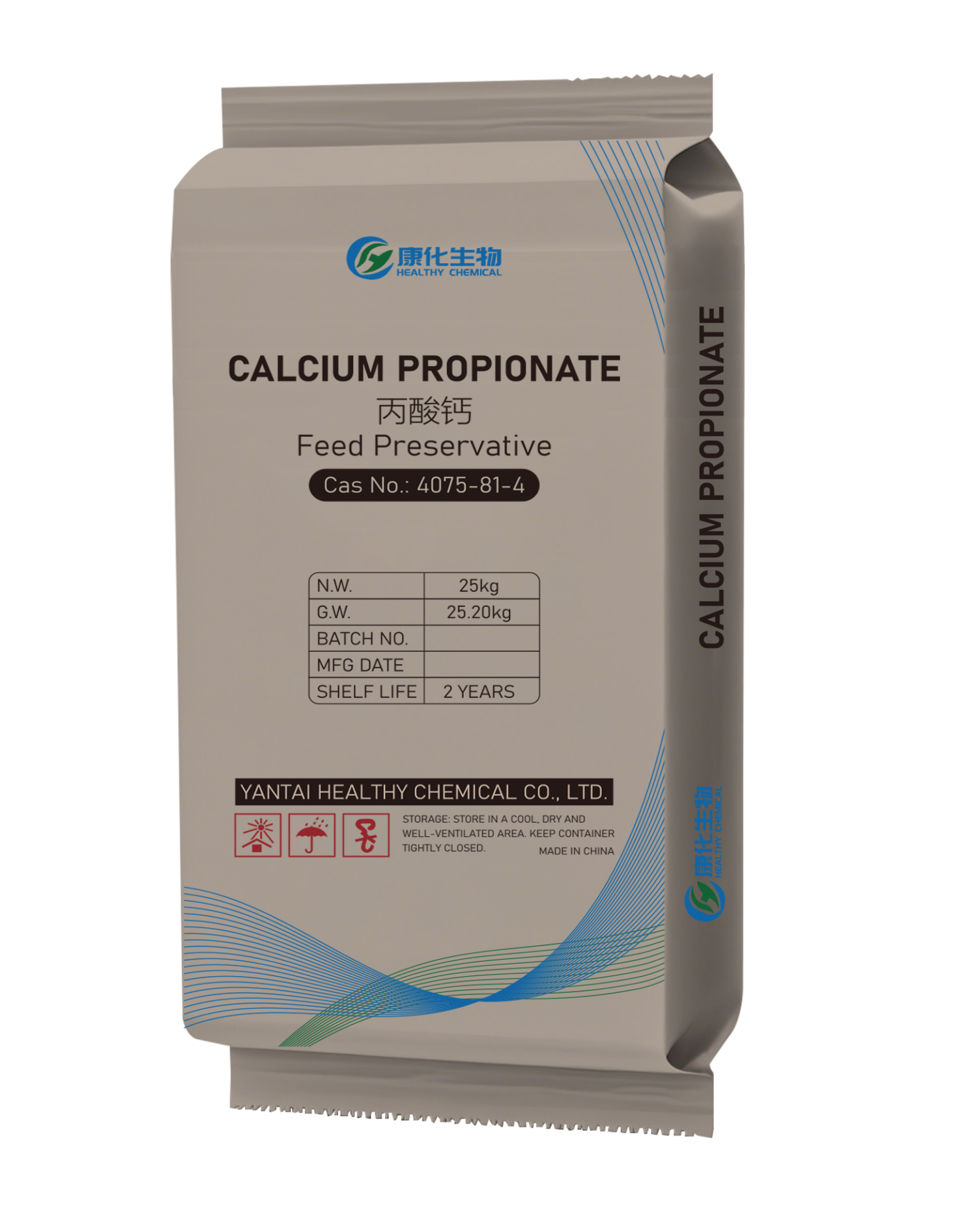
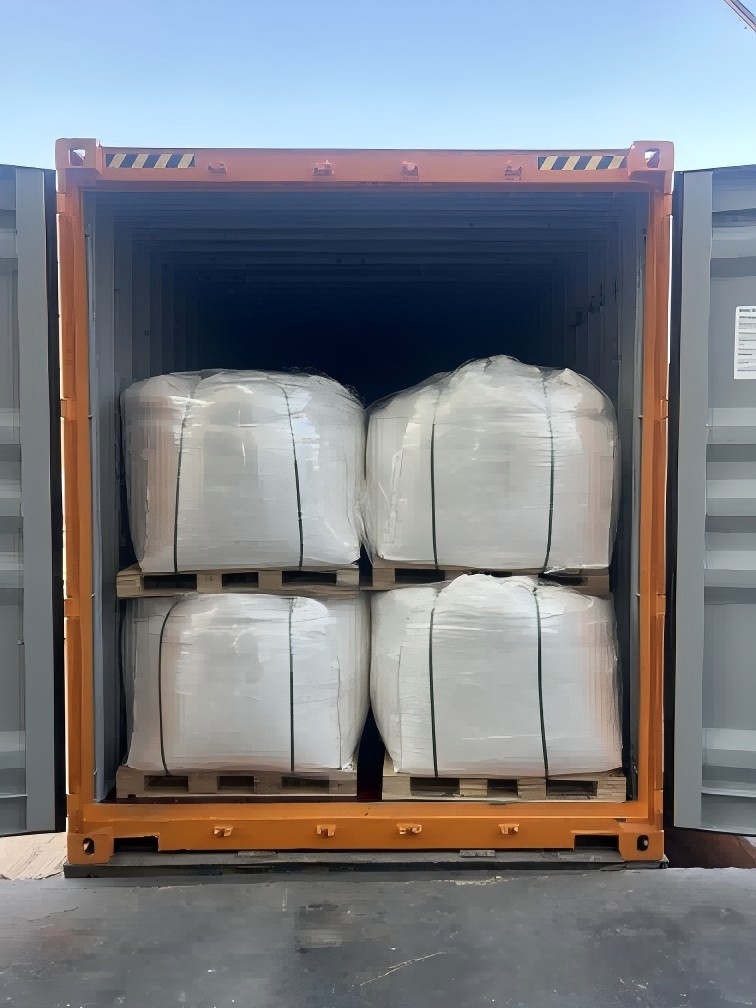
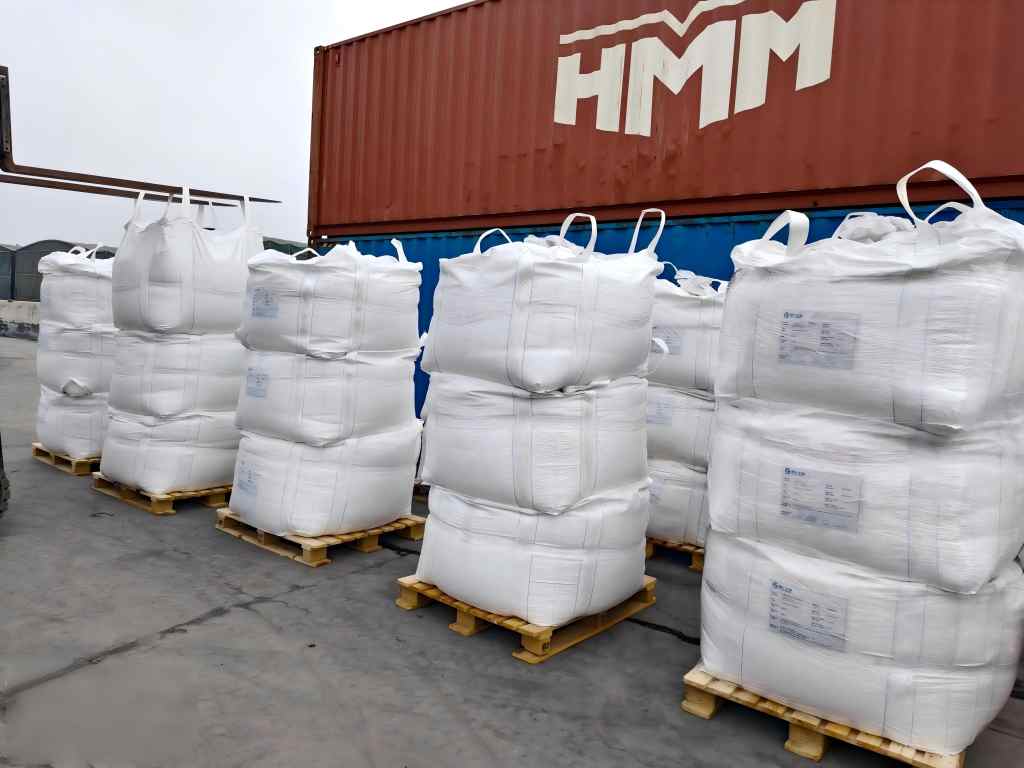
1.Product Definition:
Calcium Propionate is a highly effective organic acid preservative and calcium supplement widely used in food preservation, baking products, animal feed and livestock nutrition. As a propionate salt, it releases propionic acid to provide antifungal activity, effectively controlling mold growth and improving storage stability in various applications.
2.Specification:
Molecular Formula: C6H10CaO4
Molar mass: 186.22 g/mol
Density: 1.41 g/cm³ (crystal density at 20℃)
Structure:

Characteristics and Performance:
Calcium Propionate is easily soluble in alcohol, ether, and benzene, but poorly soluble in water (0.3 g of Calcium propionate is white crystal or white crystal powder or granule, odourless or slightly with propionic acid smell. Calcium propionate used as food additive is monohydrate salt, stable to water and heat, hygroscopic, soluble in water, 39.9g/100mL (20℃), insoluble in ethanol, ether. Add the same amount of dilute sulfuric acid in 10% aqueous solution of calcium propionate, heating can release the special smell of propionic acid. Calcium propionate is alkaline, and the pH value of its 10% aqueous solution is 8~10.
The antiseptic property of calcium propionate is the same as sodium propionate, and it can form propionic acid in acidic medium and play the role of bacterial inhibition. The effective dose of calcium propionate to inhibit mould is smaller than that of sodium propionate, but it can reduce the effect of chemical bulking agent, so sodium propionate is commonly used, however, its advantage lies in the use of calcium propionate in pastry, bread and cheese to supplement the calcium in the food puppet. Calcium propionate can inhibit the propagation of Bacillus subtilis during dough fermentation, the minimum inhibitory mass fraction is 0.01% at pH 5.0, 0.188% at pH 5.8, and the optimum pH should be lower than 5.5.
Solubility in Water
42.8g/100 ml at 0°C
39.9g/100 ml at 25°C
39.1g/100 ml at 30°C
38.3g/100 ml at 60°C
39.9g/100 ml at 80°C
48.4g/100 ml at 100°C
Calcium Priopionate Specification & COA:
Food grade
| Check item | Specifications |
| Content | ≥99.0% |
| PH(10% aqueous Solution) | 7.5-10.5 |
| Heavy metals as pb | ≤0.001 % |
| Lead | ≤5mg/kg |
| Iron | ≤50mg/kg |
| As | ≤2mg/kg |
| Mercury | ≤0.1mg/kg |
| Cadmium | ≤1mg/kg |
Feed grade
| Content | ≥99.0% |
| Loss on drying | ≤9.5% |
| free acid or free alkali | Passes test |
| 10% aqueous Solution | 6.0-9.0 |
| Heavy metals as pb | ≤0.001 % |
| Iron | ≤50mg/kg |
| As | ≤2mg/kg |
| Fluorides | ≤30mg/kg |
| Water insoluble matter | ≤0.3% |
3.Application of Calcium Propionate:
(1) Food Grade Calcium Propionate
Calcium Propionate is widely used as a food preservative in bakery products, flour-based foods, fresh dough products, cakes, pastries and other processed foods. It helps inhibit mold growth, extend shelf life and maintain product freshness during storage.
Typical Applications:
Typical Dosage: https://www.healthychemical.com/calcium-propionate-usage-and-dosage-recommendations/
Compliance: GB、FCC、E282
(2) Feed Grade Calcium Propionate
Calcium Propionate is used as a mold inhibitor and calcium source in animal feed formulations. It helps control mold growth caused by moisture exposure, improve feed storage stability and provide supplemental calcium for animal nutrition.
Typical Applications:
Typical Dosage: https://www.healthychemical.com/whats-the-function-of-calcium-propionate-in-feed%ef%bc%9f/
Compliance: Feed additive standards and customer-specific requirements.
4.Quality Assurance
Healthy Chemical implements full‑process quality control covering raw material screening, synthesis reaction, purification drying and finished‑product testing, to guarantee stable quality of calcium propionate for food and feed applications.
4.1 High‑Purity Propionate & Raw Propionic Acid Control
The purity of final calcium propionate fundamentally depends on propionic acid feedstock quality, as detailed in our technical article: https://www.healthychemical.com/propionic-acid-quality-influences-calcium-propionate-production
Low‑grade propionic acid contains excess formic acid, acetic acid and ester residues, generating by‑products during neutralization, lowering assay value and interfering with HPLC testing.
We adopt full distillation & rectification equipment to strictly control propionate purity and remove formic acid, acetic acid and ester organic impurities from raw propionic acid. Only high‑purity rectified propionic acid is used as production feedstock to ensure calcium propionate assay meets GB / FCC / E282 requirements.
Quality Evidence:
‑ Calcium propionate assay ≥99.0% (dry basis)
‑ Strictly controlled formic acid, acetic acid and ester residues
‑ Batch COA with full HPLC impurity profiling
‑ Rectification process records available for audit
4.2 Low‑Impurity Calcium Source & Neutralization Process Control
Most manufacturers use calcium carbonate as calcium source; calcined carbonate converts to calcium oxide with high heavy metal and insoluble impurity carryover.
Healthy Chemical only adopts food‑grade calcium hydroxide for neutralization reaction with rectified propionic acid, cutting foreign impurity introduction at the reaction stage.
Quality Evidence:
‑ Low heavy metal background from high‑purity calcium hydroxide
‑ Lower water‑insoluble matter ≤0.30%
‑ No residual free alkali / free acid after neutralization
‑ Stable reaction conversion rate across batches
4.3 Advanced Drying & Graded Moisture Control
Equipped with integrated fluidized bed dryer and rotary evaporator, materials are continuously crushed while rotating during drying to achieve uniform dehydration and low caking risk.
We customize drying parameters for different grades to satisfy diverse moisture limits:
‑ GB: Loss on drying ≤9.5%
‑ FCC: Loss on drying ≤5.0%
‑ E282: Loss on drying ≤4.0%
Quality Evidence:
‑ Grade‑targeted moisture indicators fully compliant
‑ Low hygroscopicity & stable long‑term storage
‑ Good powder/granule flowability without agglomeration
‑ Drying process parameter logs per batch
4.4 Double Filtration & Insoluble Impurity Removal
Two‑stage deep filtration is applied after neutralization and before crystallization to fully intercept suspended particles, inorganic precipitates and undissolved impurities from raw materials and reaction by‑products, reducing insoluble matter and improving product whiteness & solution clarity.
Quality Evidence:
‑ Water‑insoluble matter tightly controlled below standard limits
‑ Uniform white crystal appearance without dark specks
‑ Clear aqueous solution without turbidity or sediment
‑ Full filtration records retained for quality traceability
4.5 Heavy Metal & Harmful Impurity Monitoring
Full‑process impurity screening covers Pb, As, Fe, fluoride and sulfides. All batches complete heavy metal testing to match GB 1886.356‑2022, FCC and E282 regulatory limits.
Quality Evidence:
‑ Lead ≤10 mg/kg, Arsenic ≤2.0 mg/kg, Iron ≤50 mg/kg, Fluoride ≤30 mg/kg
‑ Sulfide impurities controlled to avoid discoloration & deterioration
‑ Complete heavy metal test data listed on each batch COA
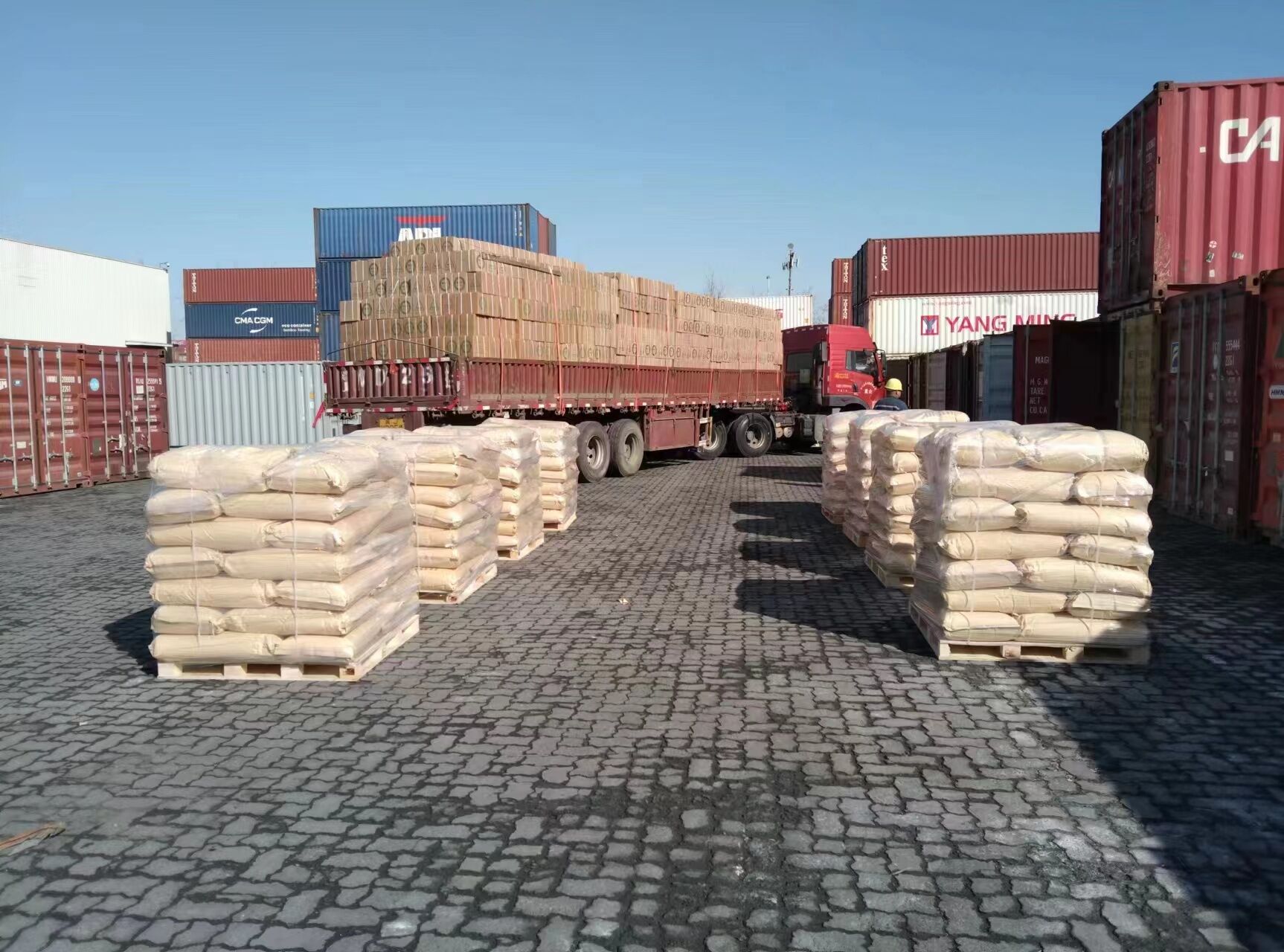
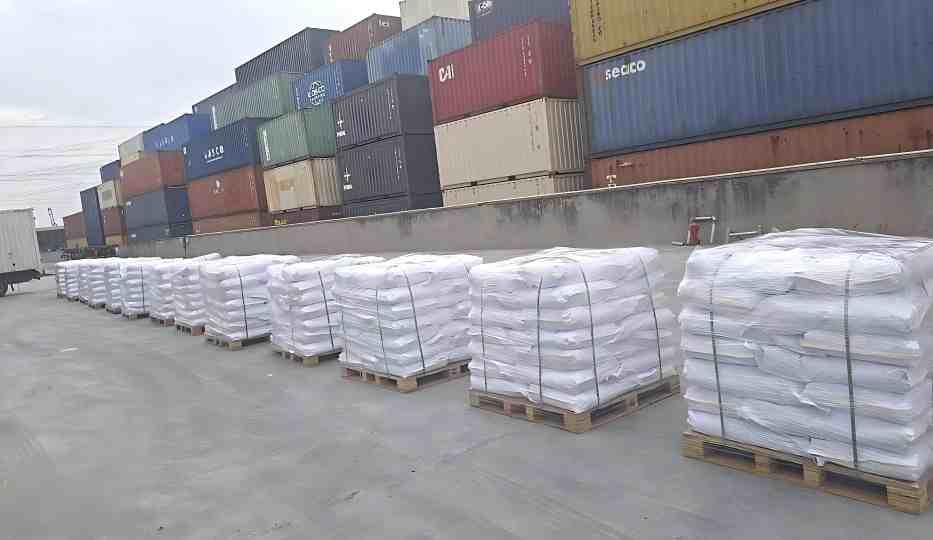
‑ COA, TDS, SDS provided for global export clearance
5. Storage:
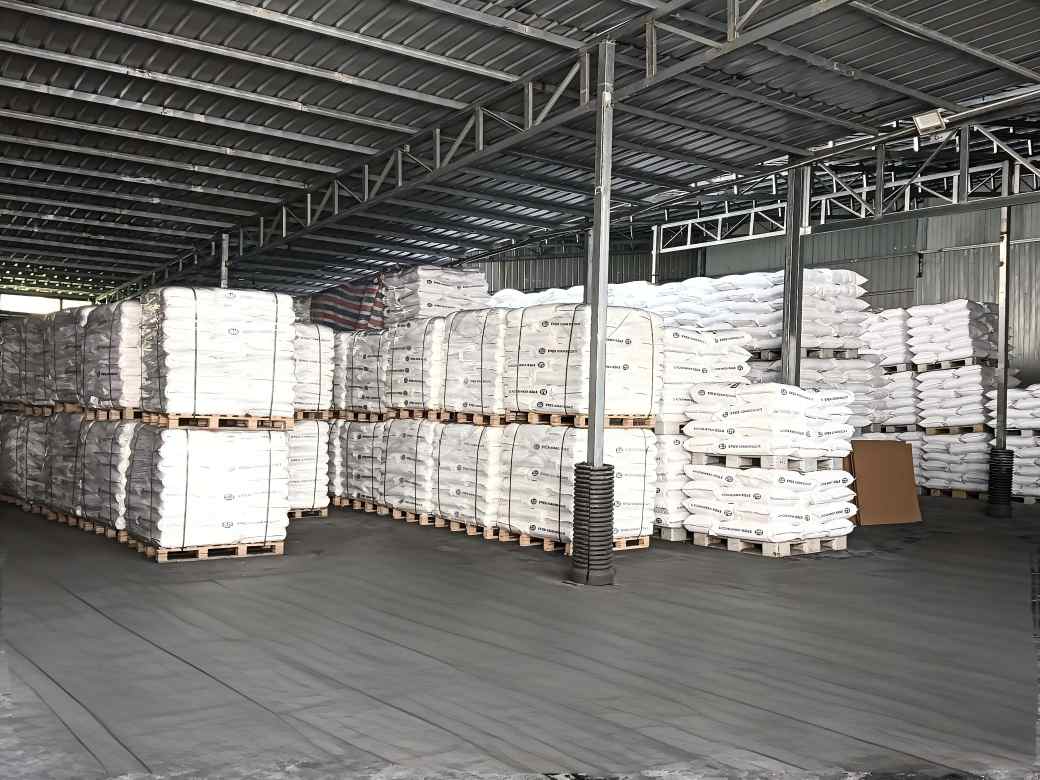
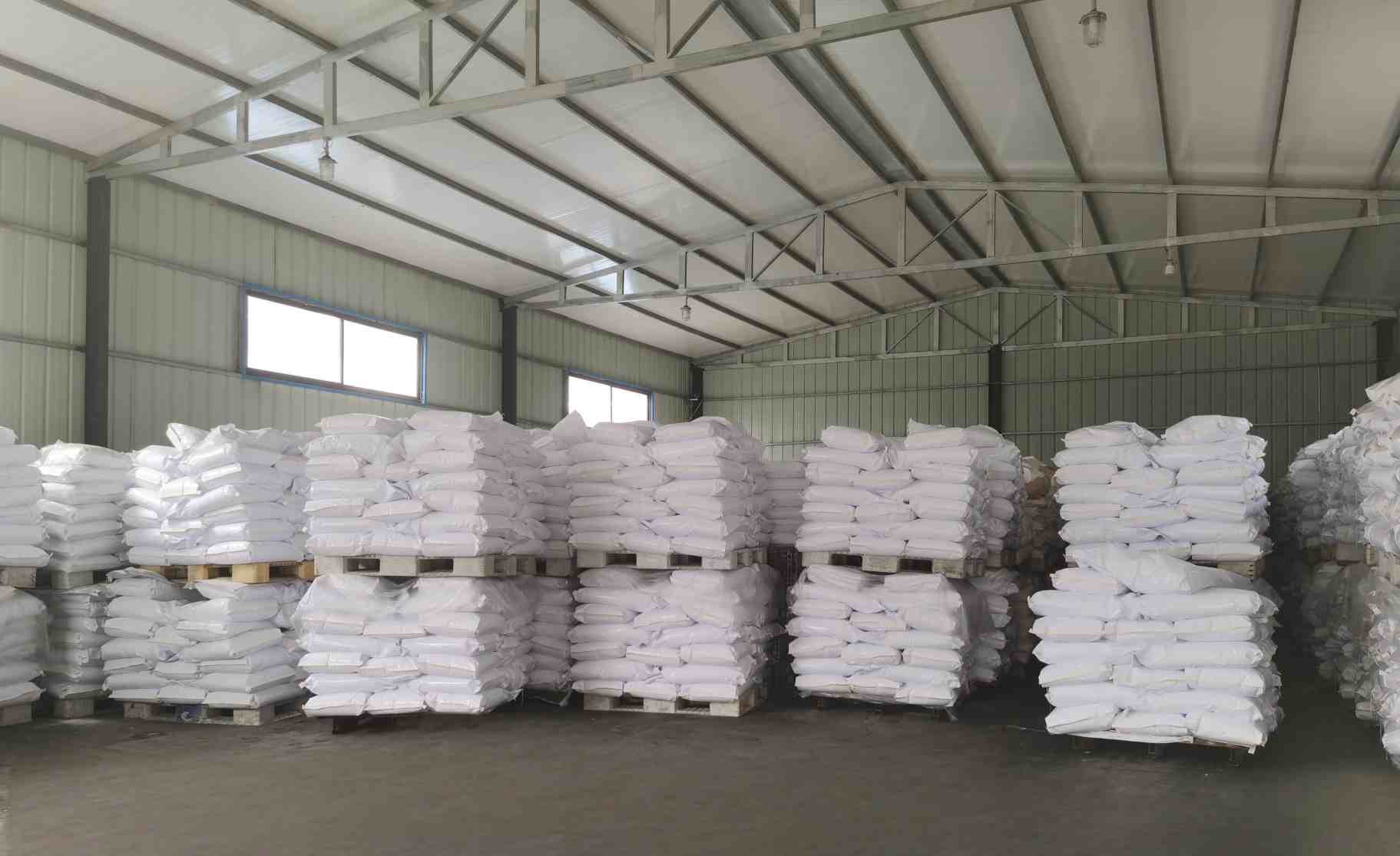
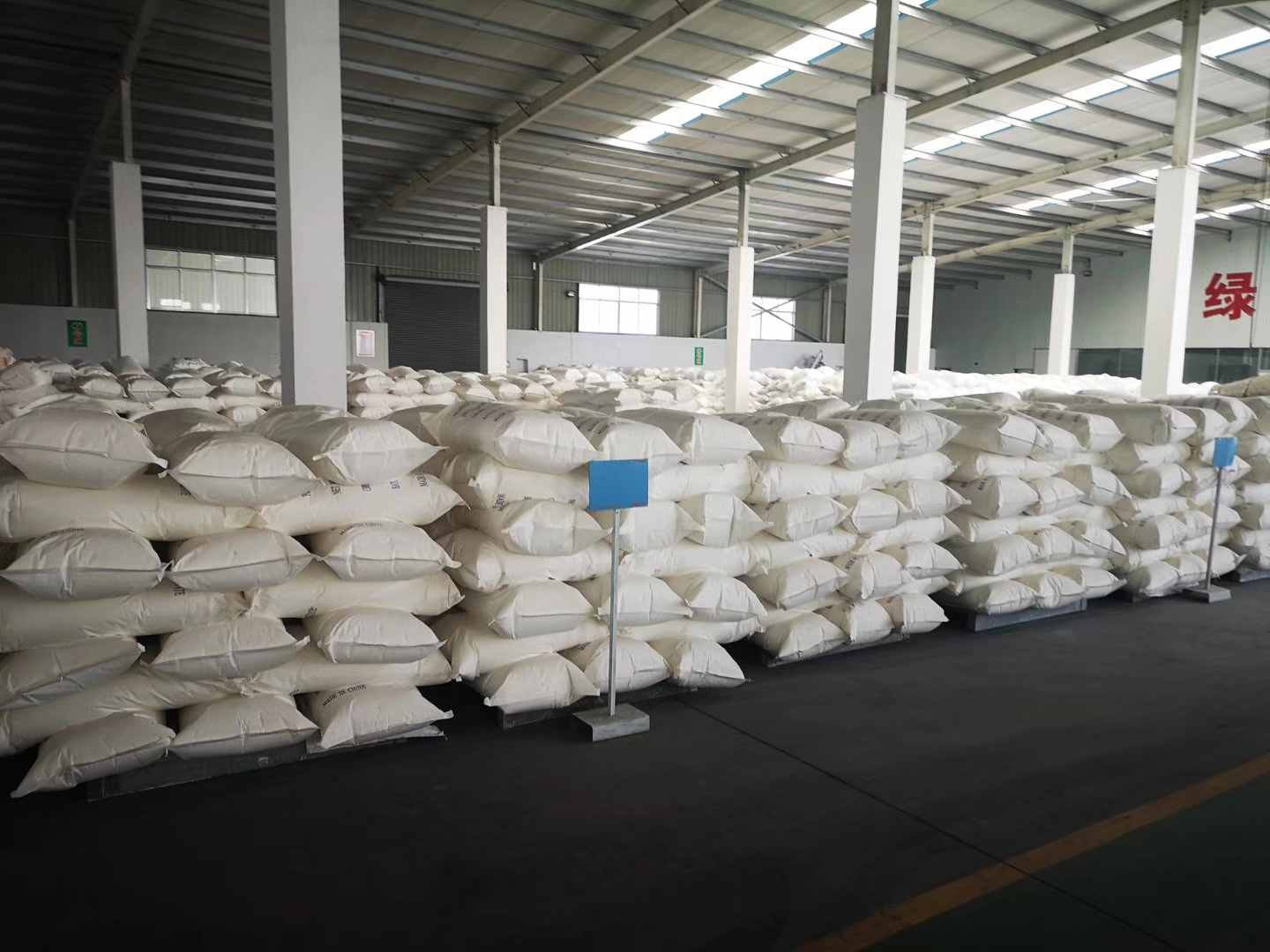
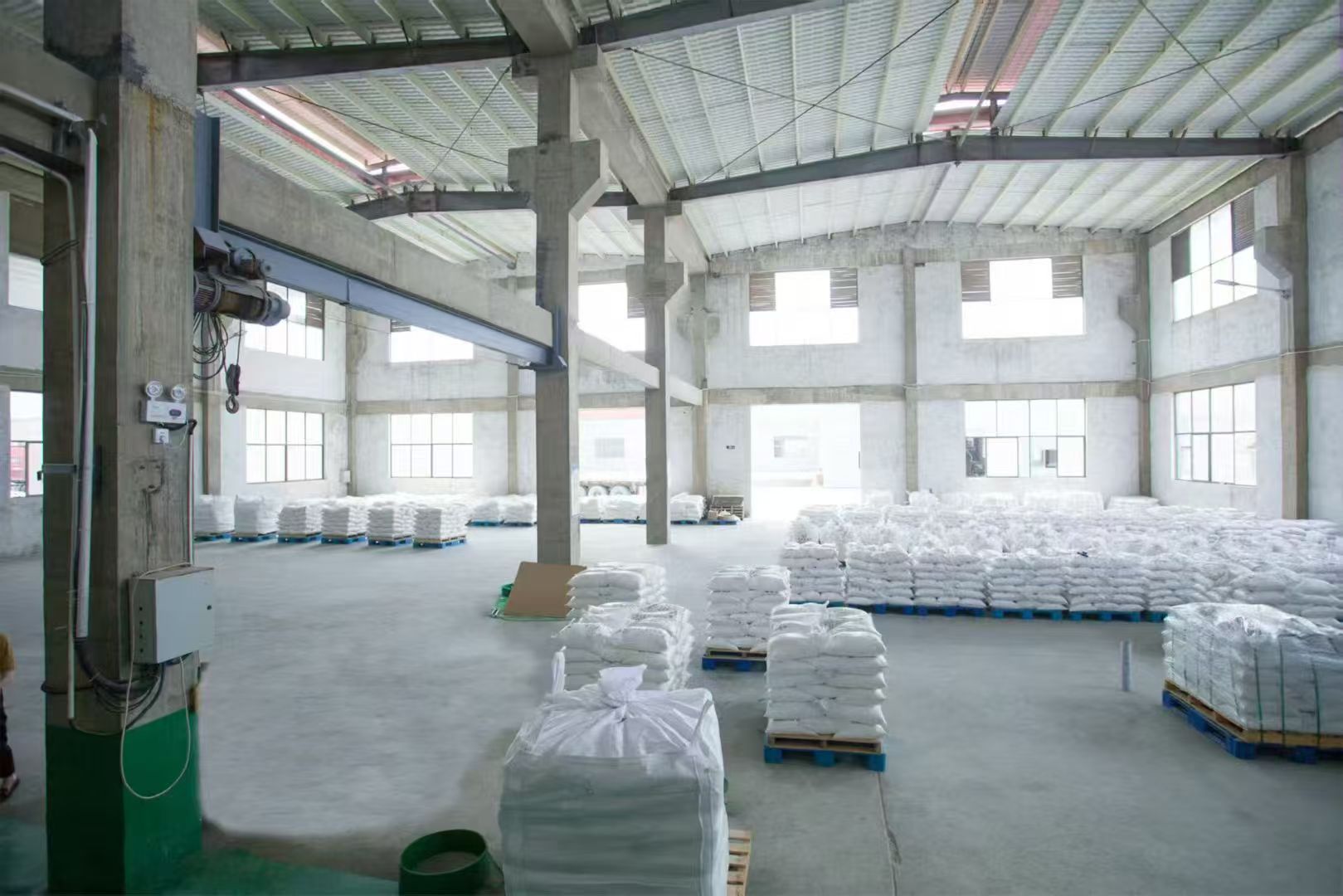
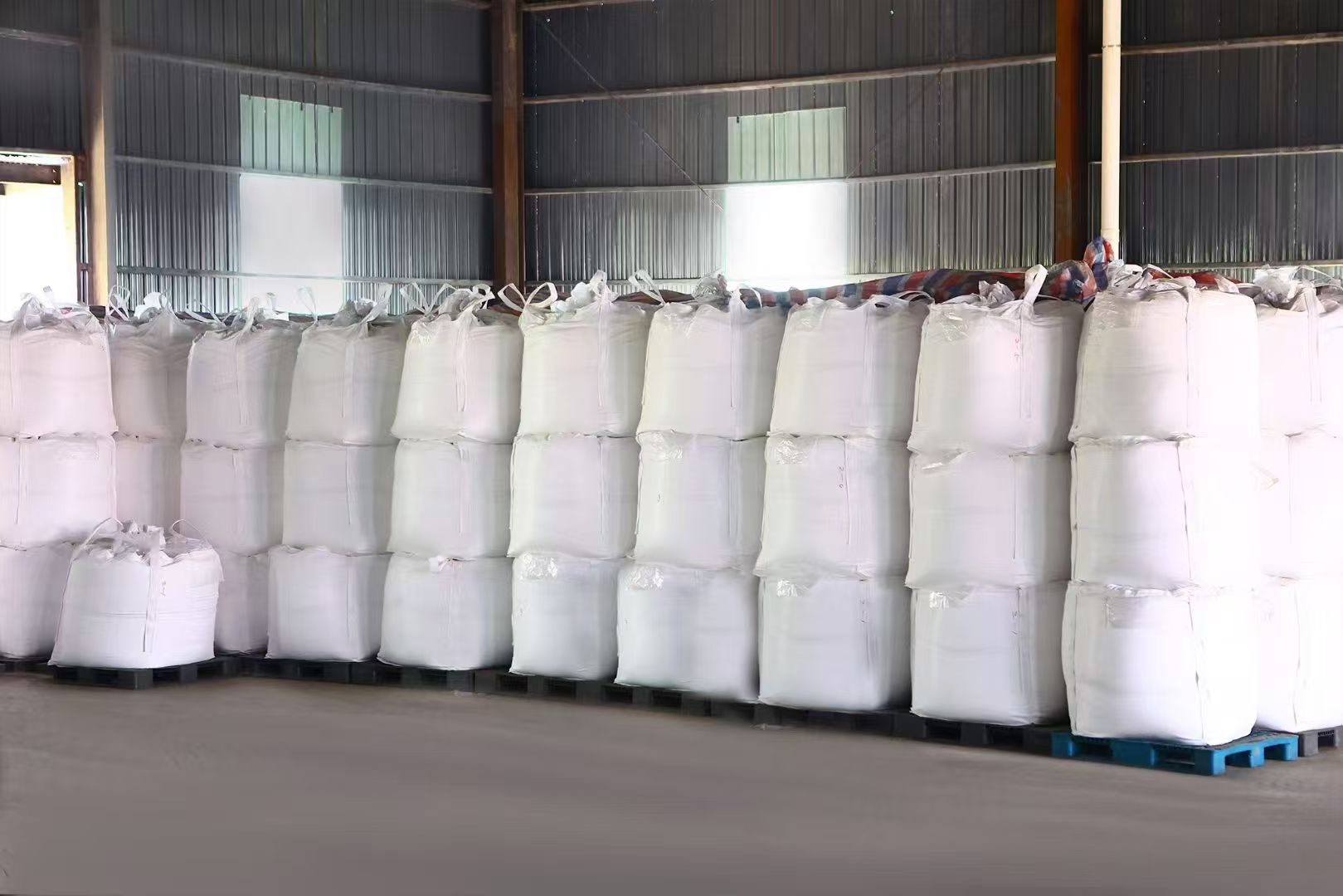
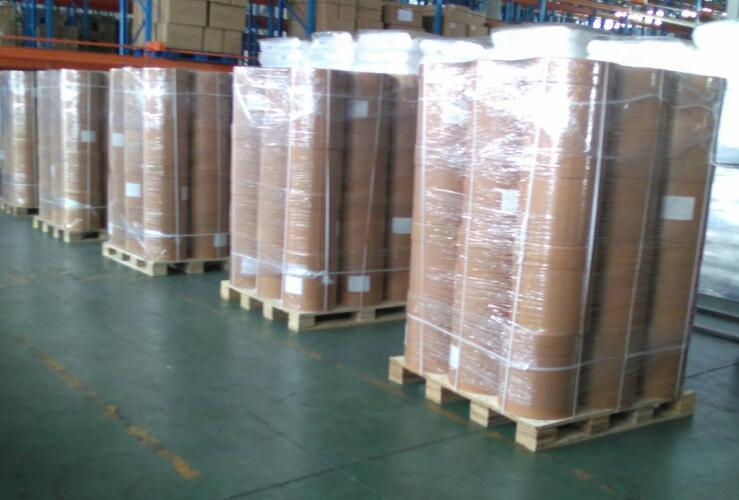
Store in a cool, dry and well‑ventilated warehouse. Keep away from heat, moisture and direct sunlight.
Keep tightly sealed after opening the package to prevent moisture absorption and caking.
Separate from toxic, odorous and polluting materials during storage.
Shelf‑life: 24 months under recommended storage conditions.
Q1: What is Calcium Propionate used for?
A: Calcium Propionate is a widely used food and feed additive with effective mold inhibition properties. It is mainly applied in bakery products such as bread, cakes and pastries, as well as animal feed, silage and pet food. It helps extend shelf life by controlling mold growth while maintaining the original taste and quality of products.
Q2: Is Calcium Propionate safe to use?
A: Yes. Calcium Propionate is recognized as a safe preservative when used within approved regulatory limits. It complies with food additive and feed additive requirements, including GB, FCC and EU E282 standards, and is widely used in bakery, livestock feed and animal nutrition applications.
Q3: What is the difference between Calcium Propionate and Sodium Propionate?
A: Calcium Propionate provides both mold inhibition and calcium supplementation, making it suitable for bakery products and animal feed applications. Sodium Propionate has higher water solubility and is more suitable for liquid formulations. Compared with Sodium Propionate, Calcium Propionate has lower hygroscopicity and better storage stability.
Q4: Why does Calcium Propionate become caked during storage?
A: Calcium Propionate caking is mainly caused by moisture absorption, improper packaging or storage in high-humidity environments. Healthy Chemical controls moisture content through optimized drying processes and uses moisture-resistant packaging to maintain good flowability and reduce caking risks during transportation and storage.
Q5: What standards does Calcium Propionate meet?
A: Healthy Chemical supplies Calcium Propionate complying with international food and feed additive requirements, including GB 1886.356-2022, FCC and EU E282 standards. COA, TDS and SDS documents are available to support customer quality verification and export requirements.
Q6: What grades and forms of Calcium Propionate are available?
A: Healthy Chemical provides Food Grade and Feed Grade Calcium Propionate in different physical forms, including crystalline powder, crystalline granules and spherical granules. Customized particle sizes and moisture specifications are available according to customer application requirements.
Q7: How about the water‑solubility of Calcium Propionate?
A: Calcium Propionate is readily soluble in water. High-quality Calcium Propionate should dissolve efficiently with good solution clarity and minimal insoluble residue. Healthy Chemical controls raw materials, filtration and crystallization processes to ensure stable dissolution performance.