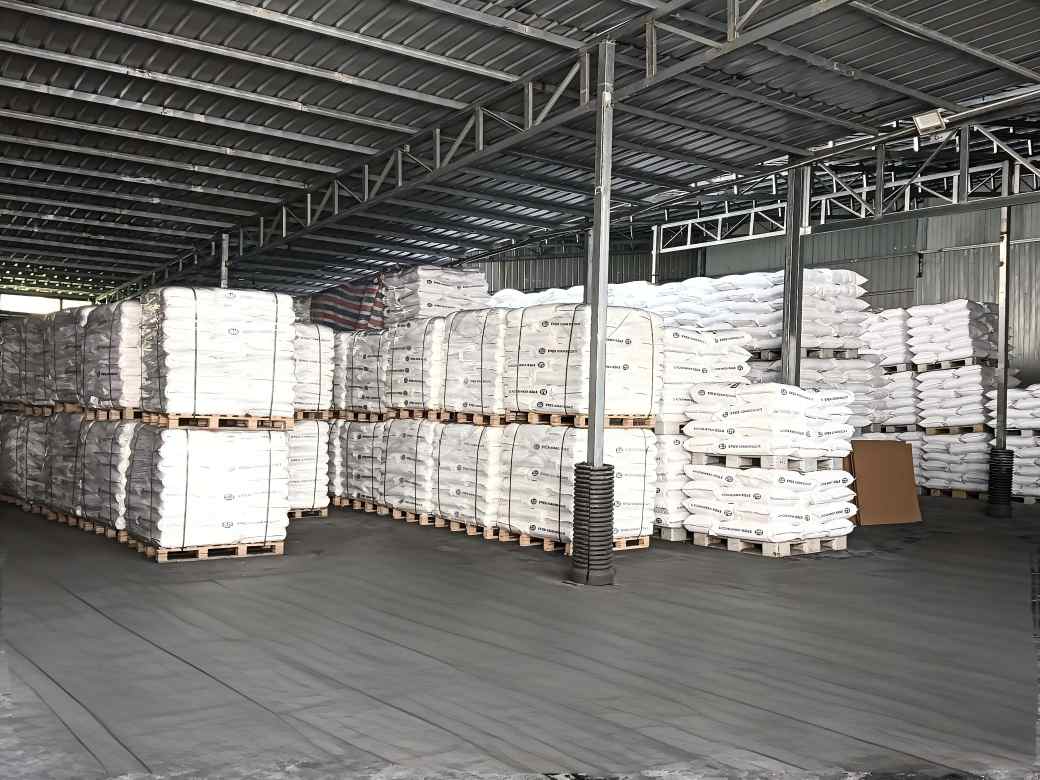
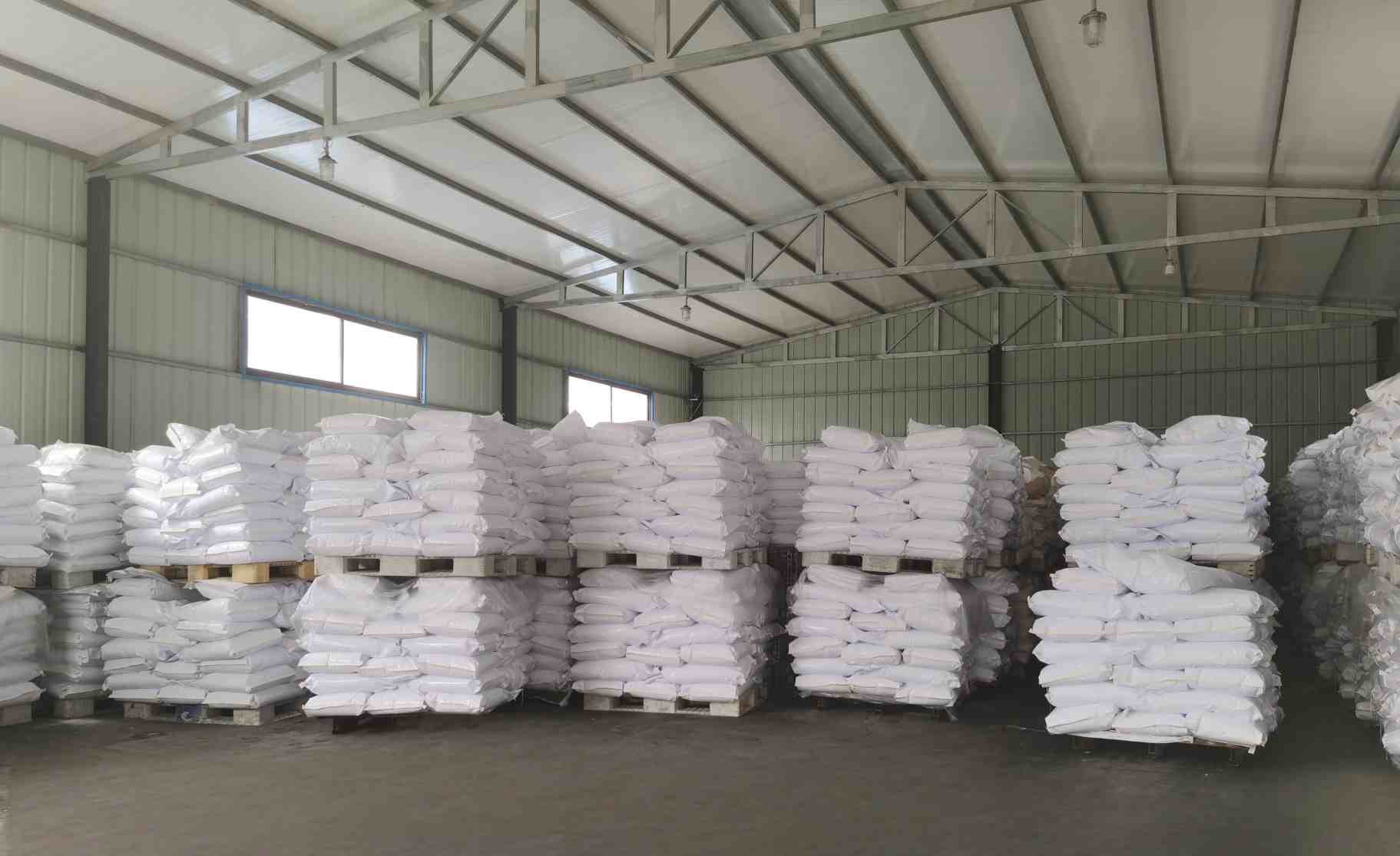
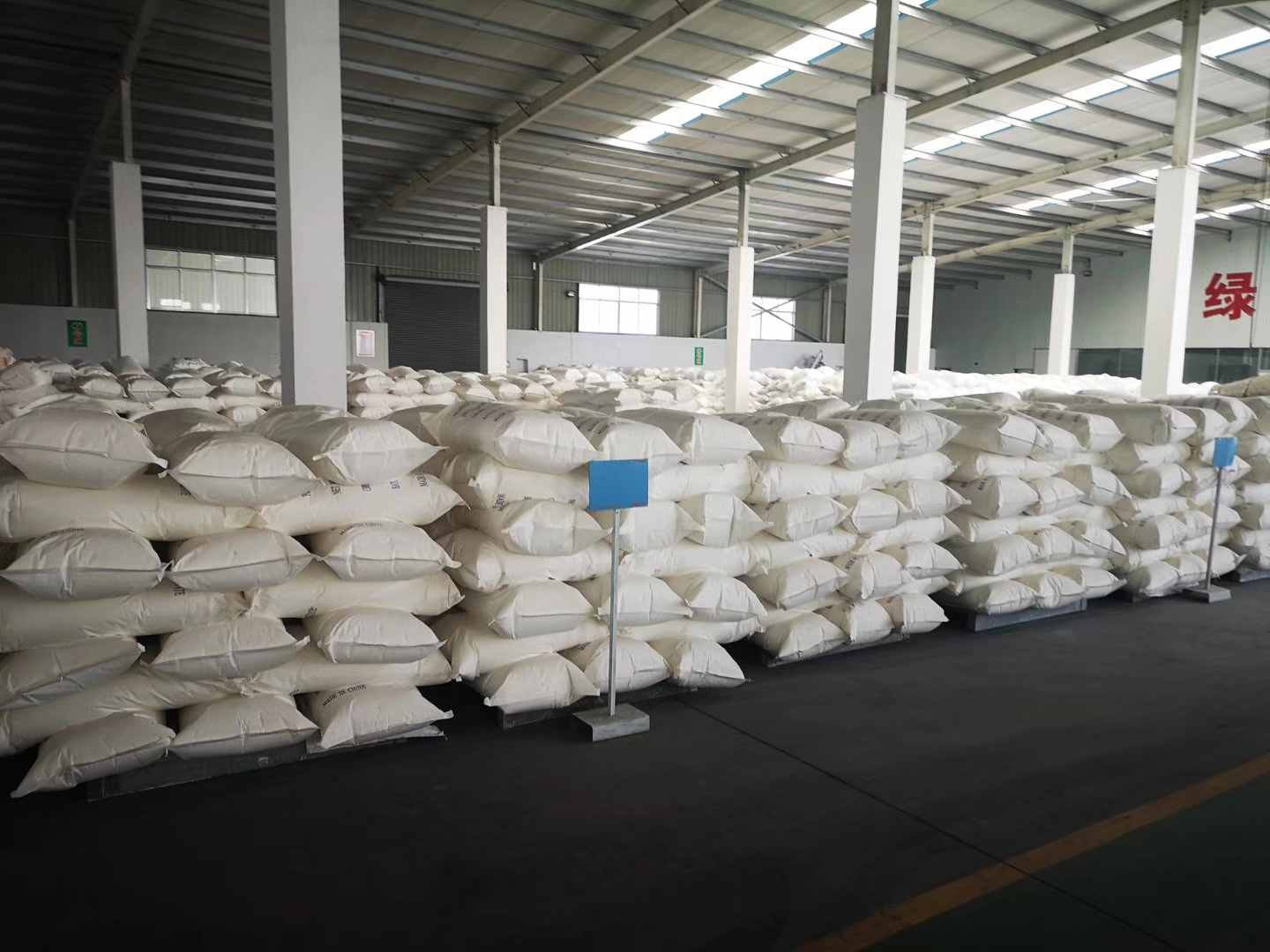
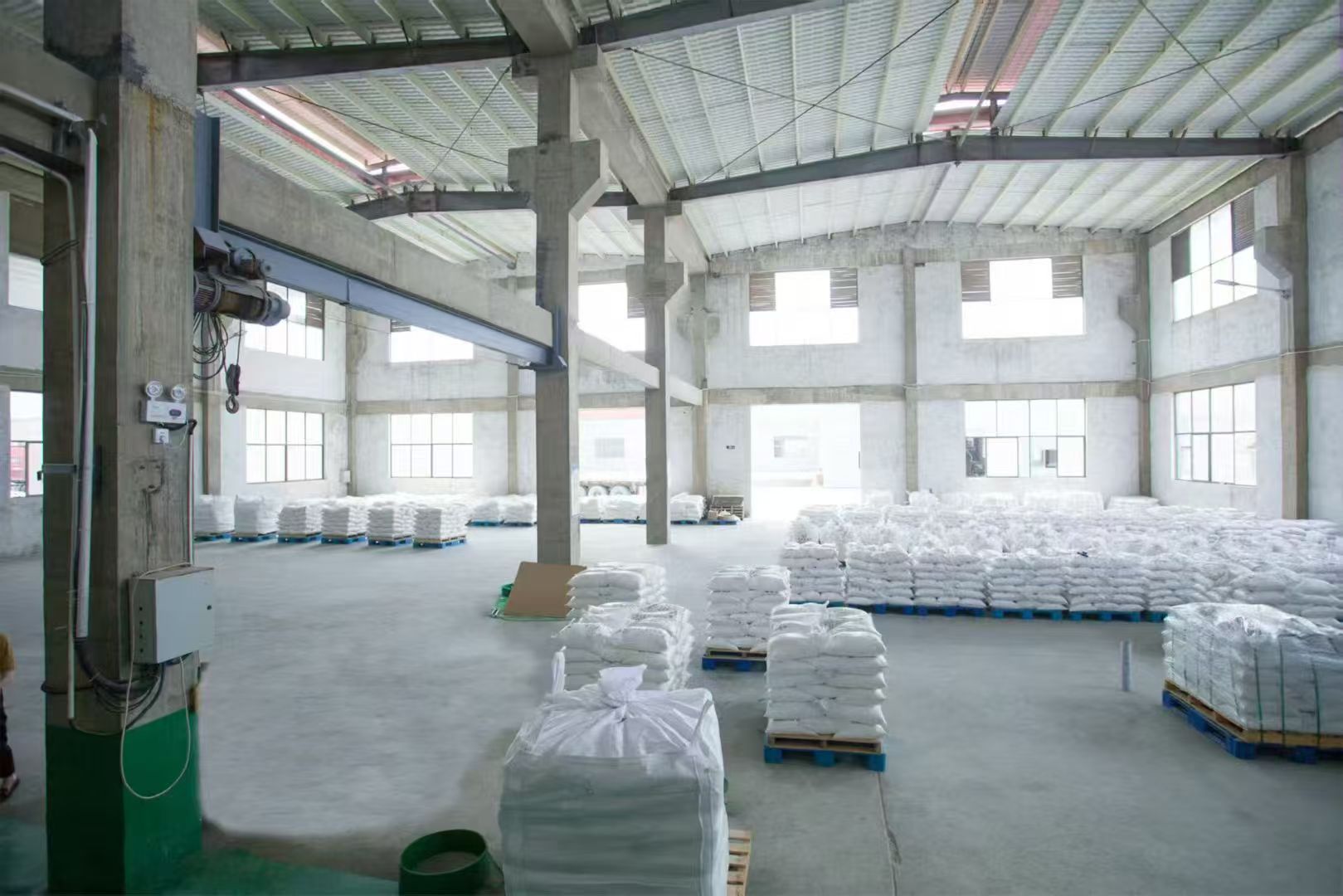
Welcome to Yantai Healthy Chemical Co., Ltd


1.Product Definition:
Sodium Benzoate is the sodium salt of benzoic acid and a widely used preservative ingredient. Under acidic conditions, sodium benzoate converts into active benzoic acid, which provides antimicrobial activity by inhibiting the growth of molds, yeasts and certain microorganisms. Due to its excellent water solubility and stable performance, Sodium Benzoate is widely used in food preservation, beverage processing, personal care products, cosmetic formulations and pharmaceutical formulations.
2.Specification:
Molecular Formula: C7H5NaO2
Molar mass: 144.10g/mol
Melting Point : >300 °C(lit.)
Boiling Point: 249.3ºC at 760 mmHg
Flash Point: 111.4ºC
Density g/ml: 1,44 g/cm3
Structure:

Solubility:
Sodium Benzoate is freely soluble in water, sparingly soluble in ethanol. One gram of salt is soluble in 2ml of water, in 75ml of ethyl alcohol, and in 50ml of 90% ethyl alcohol. The salt is insoluble in ethyl ether. A typical aqueous solution will be slightly alkaline and typically has a sweetish astringent taste. Sodium Benzoate is a slightly hydroscopic, white, odorless or nearly odorless product. Sodium Benzoate contains 84.7% of available benzoic acid.
Sodium Benzoate Specification & COA:
| Check item | Specifications |
| Test for benzoate | Passes test |
| Test for sodium | Passes test |
| Content | ≥99.0% |
| Loss on drying | ≤1.5% |
| Readily carbonizable substances | Passes test |
| Readily oxidizable substances | Passes test |
| As | ≤3mg/kg |
| Lead | ≤2mg/kg |
| Mercury | ≤1mg/kg |
| Acidity and alkalinity | Passes test |
| Chloride compound | ≤0.06% |
| Phthalic acid | ≤100ppm |
3.Application of Sodium Benzoate:
Healthy Chemical supplies high-quality Sodium Benzoate for food and pharmaceutical applications.
(1) Food Grade Sodium Benzoate
Used as a preservative ingredient in:
Also used as a preservative ingredient in selected:
Why Use:
Recommended pH Range: 2.5–4.0
Note:
Sodium Benzoate has better water solubility than Benzoic Acid. However, its antimicrobial activity still depends on acidic conditions because active undissociated benzoic acid decreases as pH increases. Preservation effectiveness may decrease significantly at higher pH levels.
Typical Dosage: According to local food, cosmetic regulatory requirements and product formulation requirements.
Compliance: FCC / E211
(2) Pharmaceutical Grade Sodium Benzoate
Used as a pharmaceutical excipient and preservative ingredient in:
Why Use:
Usage Level: According to pharmacopeia requirements and formulation design.
Compliance: USP / BP
General Application Advantages
4.Quality Assurance
Healthy Chemical implements full‑process quality control covering raw material selection, production procedures and finished‑product testing, to guarantee consistent quality of sodium benzoate for food, cosmetic‑personal‑care and pharmaceutical‑grade applications.
4.1 Solution Clarity & Dissolution Control
High‑purity benzoic acid feedstock, optimized neutralization‑refining‑recrystallization processes are adopted to adjust crystal structure and particle‑size distribution, minimize fine impurity particles, and improve dissolution rate and solution clarity stability.
Quality Evidence:
‑ Good solution clarity after dissolution
‑ Strict control over organic impurities and insoluble residues
‑ Batch COA available for quality verification
‑ TDS, SDS available upon request
4.2 Heavy‑Metal Control
Upstream benzoic acid raw material screening, targeted purification and in‑process monitoring are performed. Every batch is tested for heavy‑metal elements.
Quality Evidence:
‑ Pb, As, Hg, Cd tested within regulatory limits
‑ Compliant with FCC / E211 / BP / USP requirements
‑ Batch‑traceable COA reports
‑ Third‑party testing available upon customer request
4.3 Organic Impurity & Raw‑Material Quality Control
High‑grade benzoic acid is selected and pre‑treated. Integrated neutralization, activated‑carbon decolorization and recrystallization are applied to specially limit biphenyl and aromatic organic residues.
Quality Evidence:
‑ Monitored impurity profile for organics and aromatic residues
‑ Meets food‑grade and pharmaceutical‑grade impurity specifications
‑ Batch‑wise purity & impurity analysis
‑ COA, TDS provided for customer review
4.4 Color & Whiteness Consistency Control
Pre‑removal of oxidized raw‑material impurities, deep activated‑carbon decolorization and optimized crystallization with full‑process temperature control prevent oxidation discoloration and secure stable whiteness and batch‑to‑batch uniformity.
Quality Evidence:
‑ Uniform white powder/granular/extruded appearance
‑ Minimized batch‑to‑batch color deviation
‑ Batch appearance inspection records available
‑ Sample testing support for customers
4.5 Moisture Control, Flowability & Storage Stability
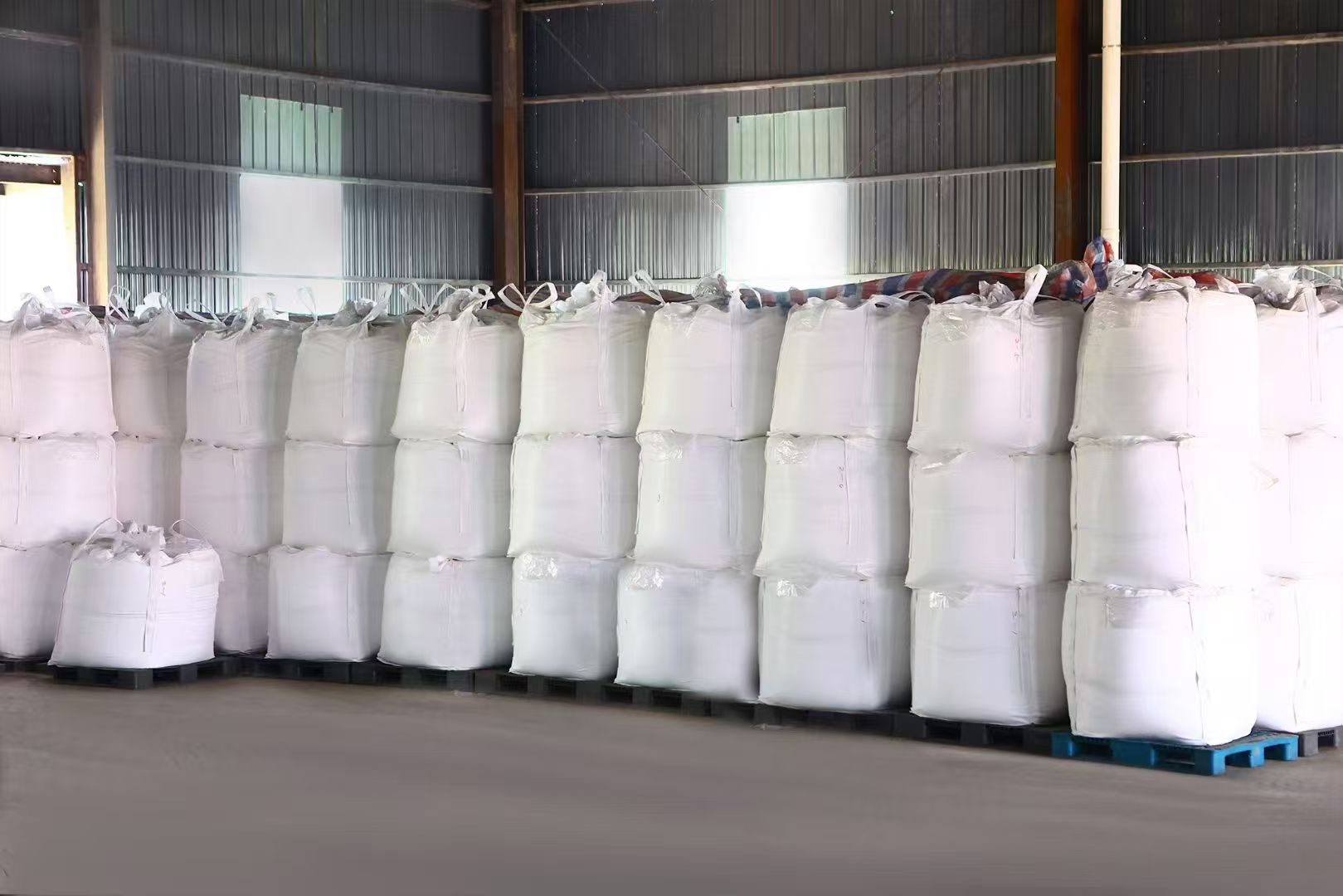
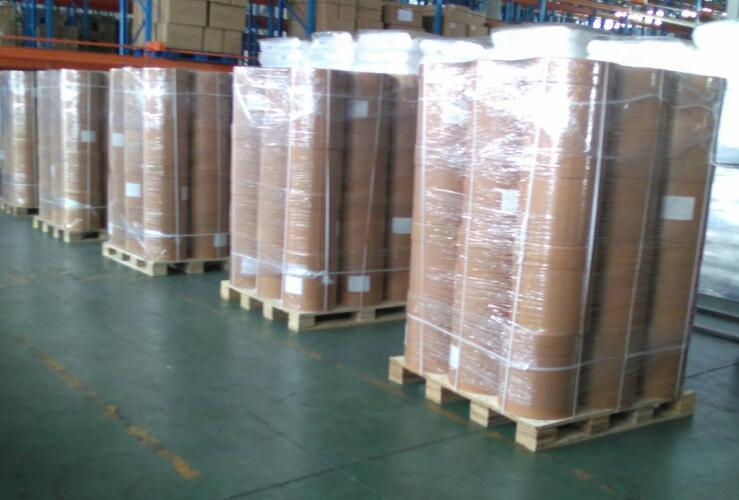
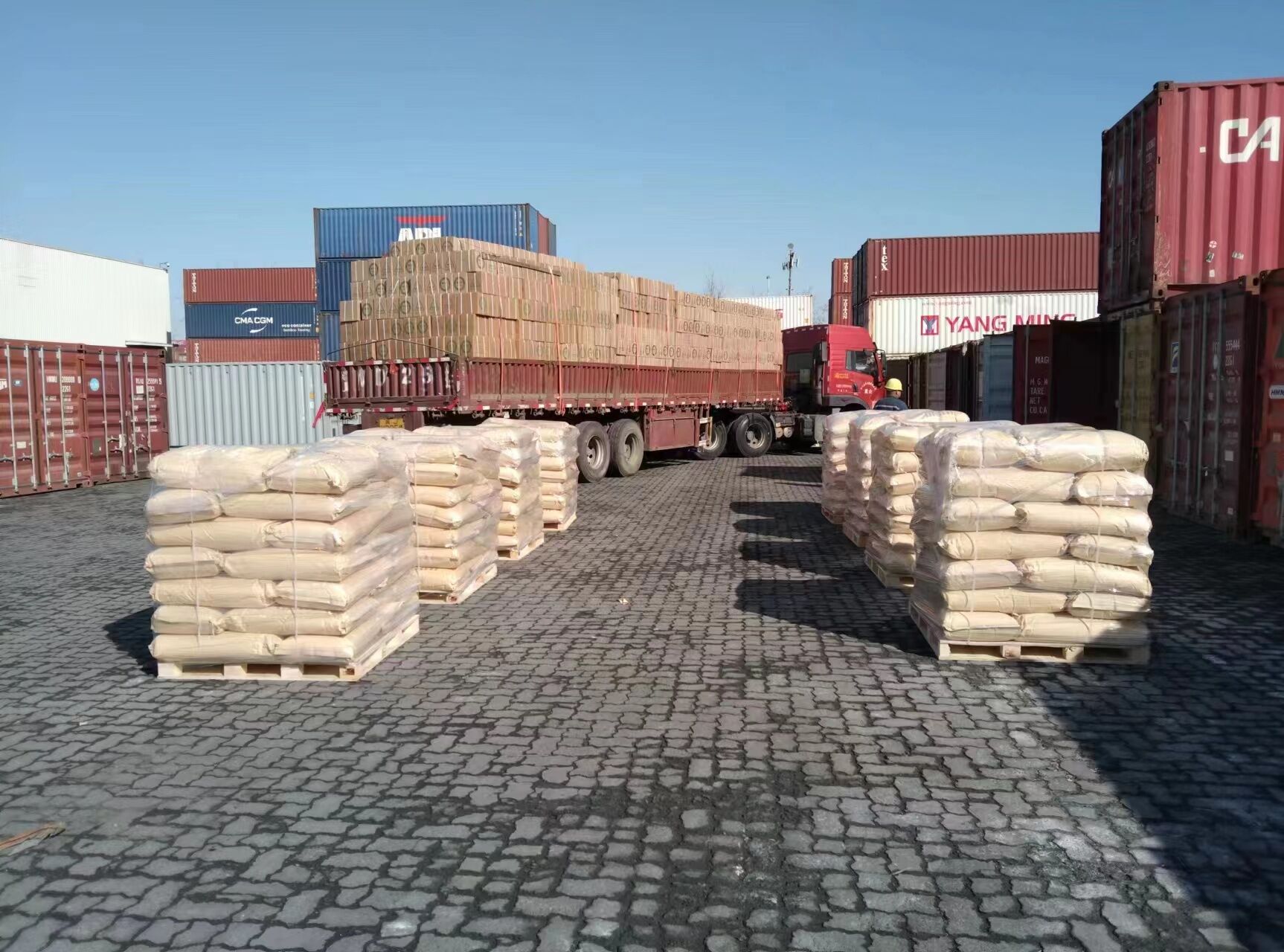
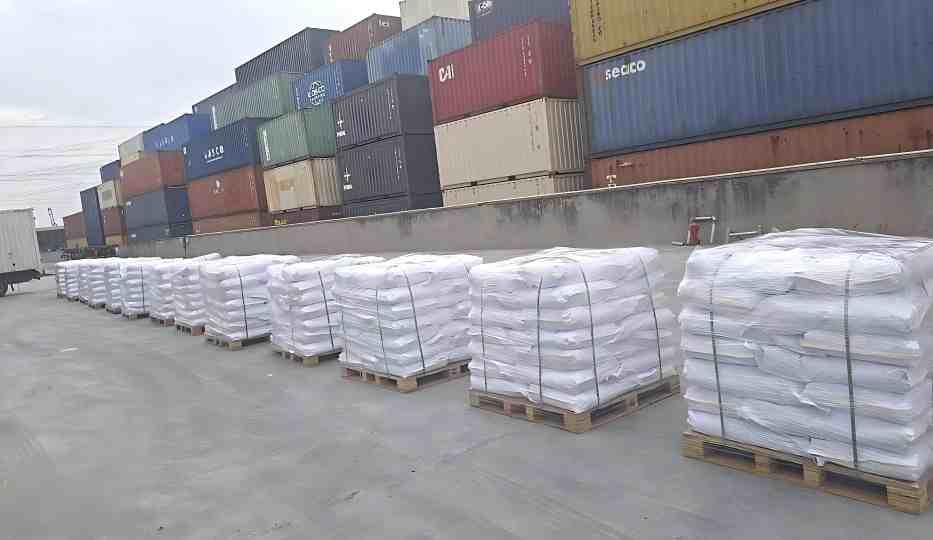
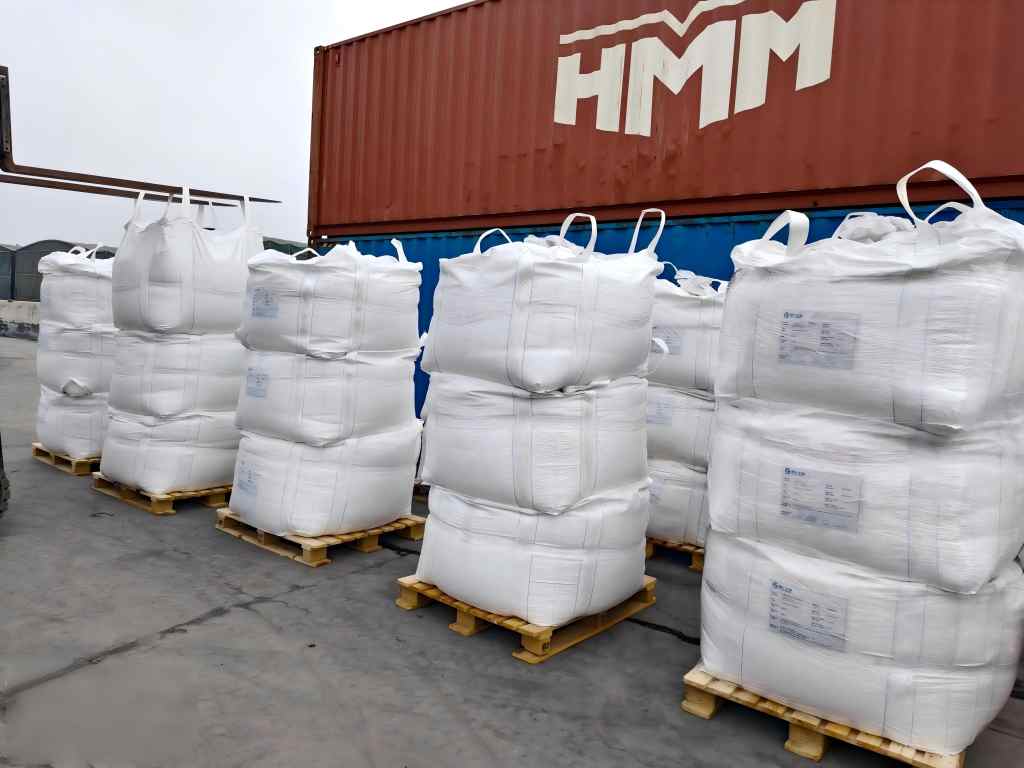
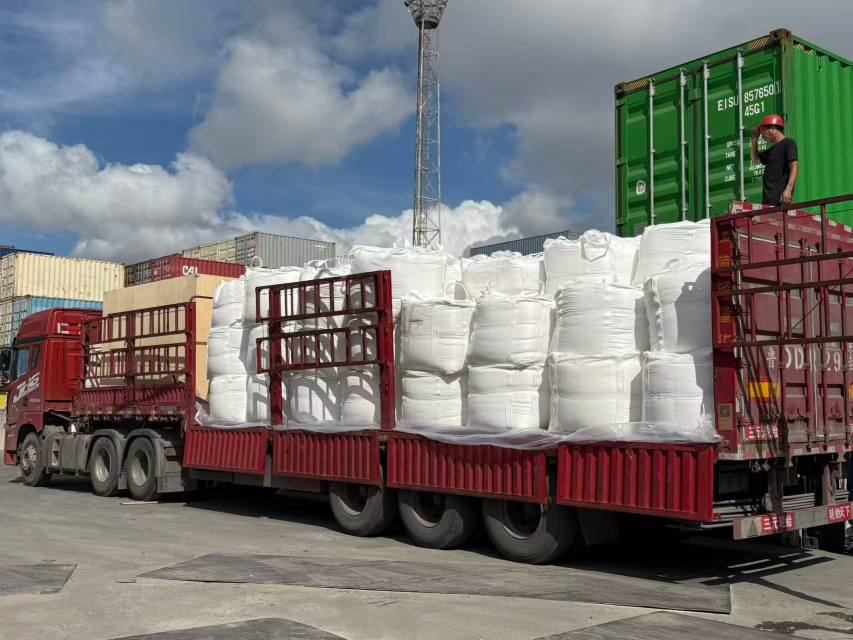
Precise drying procedure reduces residual moisture. Sealed double‑layer moisture‑proof packaging enhances storage & transportation stability as well as powder flow performance.
Quality Evidence:
‑ Tightly controlled moisture content
‑ Low caking risk during long‑term storage
‑ Reliable powder/granular/extruded flowability
‑ Moisture and key indicators documented in the batch COA
5. Storage:
Store in a cool, dry and well-ventilated area. Keep the container tightly closed and protect from moisture, heat and direct sunlight. Avoid contact with strong acids and incompatible chemicals. Prevent moisture absorption to maintain product stability and flowability.
Q1: Is Sodium Benzoate safe for food, cosmetics and pharmaceutical applications?
A: Sodium Benzoate is considered safe when used within approved regulatory limits. It is widely used as a preservative in food, personal-care products, cosmetics and pharmaceutical formulations. Please note that its preservative activity is effective mainly under acidic conditions. Healthy Chemical supplies Sodium Benzoate complying with relevant food-grade and pharmaceutical-grade quality requirements.
Q2: What is Sodium Benzoate used for?
A: Sodium Benzoate is widely used as a preservative in acidic beverages, juices, sauces, jams, vinegar, pickled foods, personal-care products, cosmetics and pharmaceutical preparations. It is especially suitable for water-based acidic formulations requiring stable antimicrobial performance.
Q3: What is the difference between Sodium Benzoate and Benzoic Acid?
A: The main difference is solubility and application suitability. Sodium Benzoate has significantly better water solubility than Benzoic Acid, making it easier to dissolve and formulate in liquid systems. Both rely on undissociated benzoic acid molecules for antimicrobial activity under acidic conditions. Due to its high solubility, Sodium Benzoate is commonly preferred for beverages, cosmetics and pharmaceutical liquid formulations.
Q4: What factors affect the quality of Sodium Benzoate?
A: The quality of Sodium Benzoate is mainly affected by raw-material purity, organic impurity control, heavy-metal levels, moisture content, crystal structure and manufacturing processes. Healthy Chemical applies strict raw-material selection, purification, crystallization and finished-product testing procedures to ensure consistent quality and batch-to-batch stability.
Q5: Can Healthy Chemical provide export documents for Sodium Benzoate?
A: Yes. Healthy Chemical can provide COA, SDS, TDS and other technical documents to support international export requirements for food-grade and pharmaceutical-grade Sodium Benzoate.
Q6: Why does Sodium Benzoate sometimes show caking or poor dissolution?
A: Caking and poor dissolution are usually related to excessive moisture absorption, improper storage conditions, high impurity levels or uncontrolled particle-size distribution. Healthy Chemical controls moisture content, drying processes, crystal characteristics and moisture-proof packaging to maintain good flowability, storage stability and dissolution performance.